







2025
at a glance

332
waste water treatment plants (WWTP)


7.562
km pipes

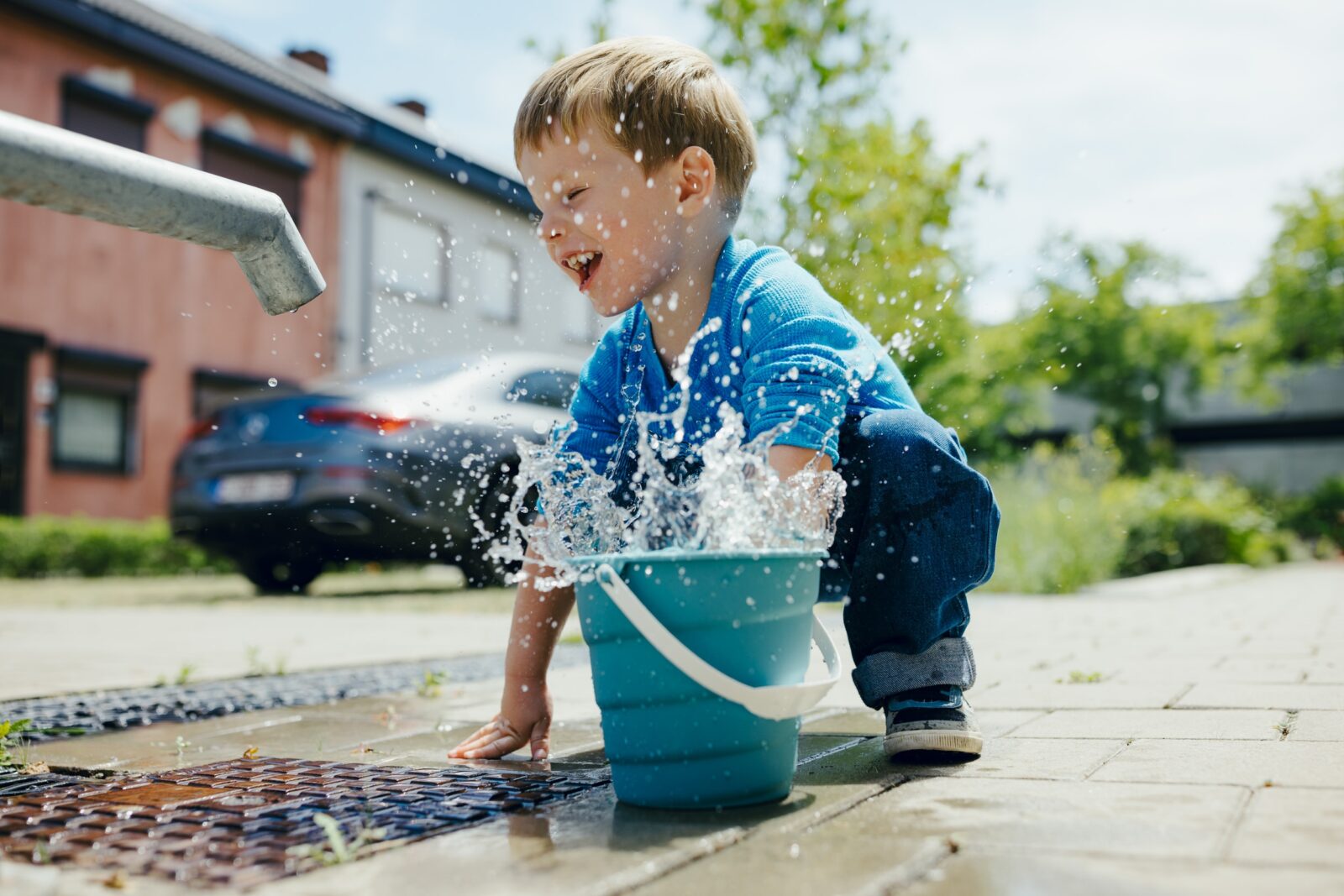


88 %
of the residents of Flanders are connected to waste water treatment

683
mil m3 wastewater treated

New biomethane plants
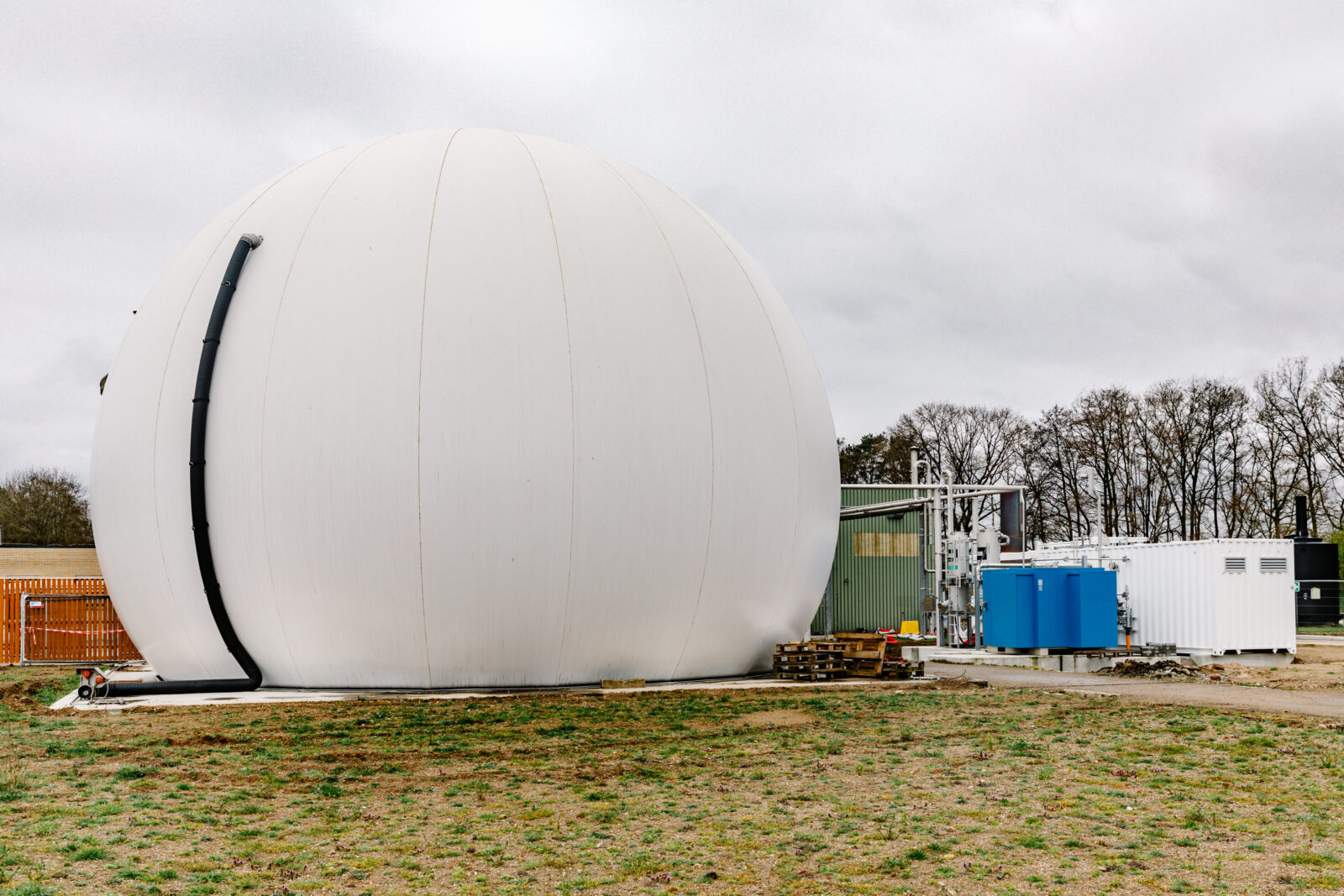
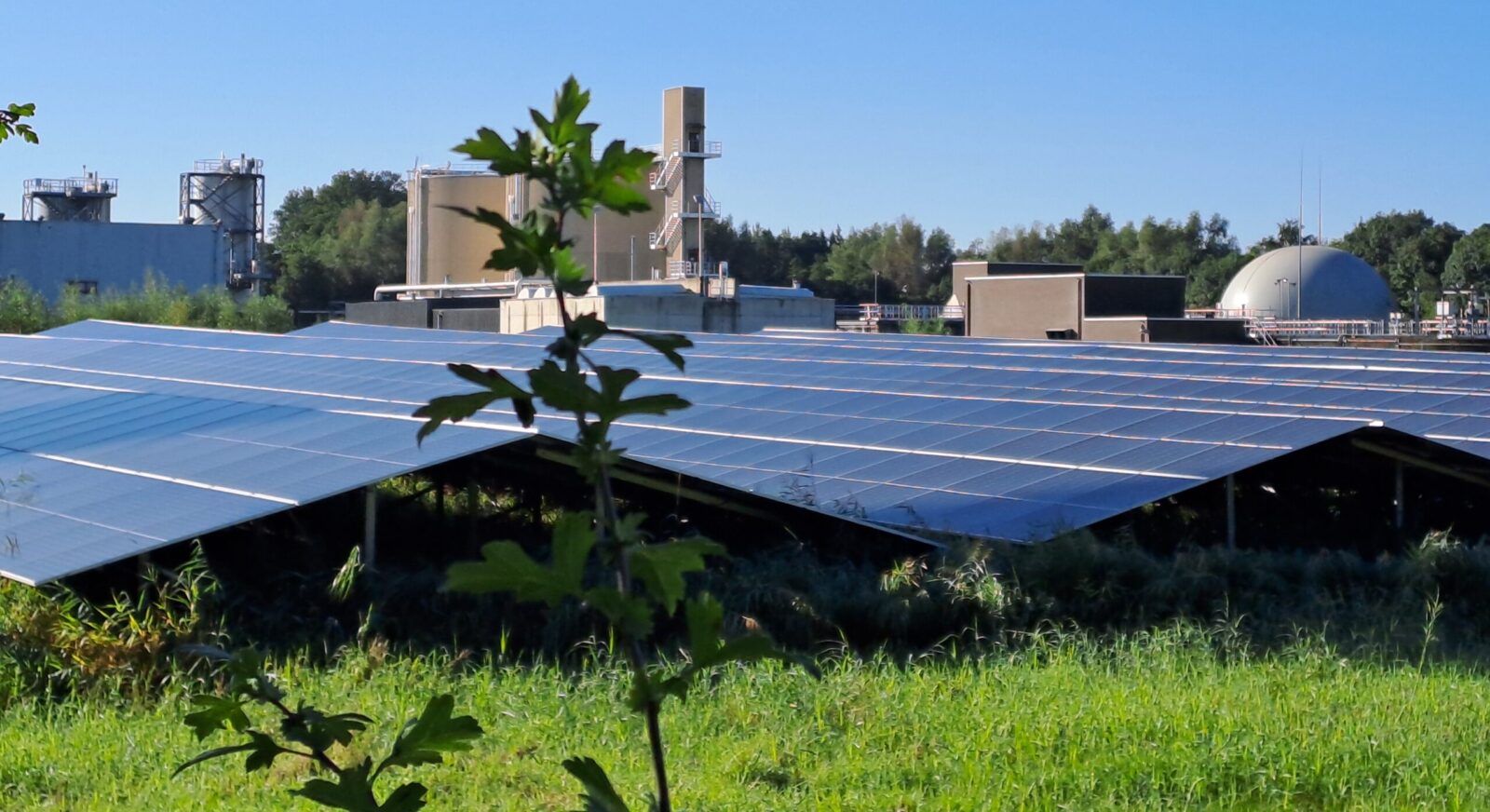
The first biomethane plant began producing biomethane in 2021. In 2025, we commissioned three additional plants to upgrade biogas from sludge digestion to natural gas quality. Through an on-site injection station, the biomethane from these plants is fed directly into the gas grid. When the fifth—and, for now, final—biomethane unit becomes operational in 2026, we will inject 40 GWh of green gas into the grid each year, equivalent to the annual consumption of 2,650 households.

Complex renovations extend the lifespan of collectors

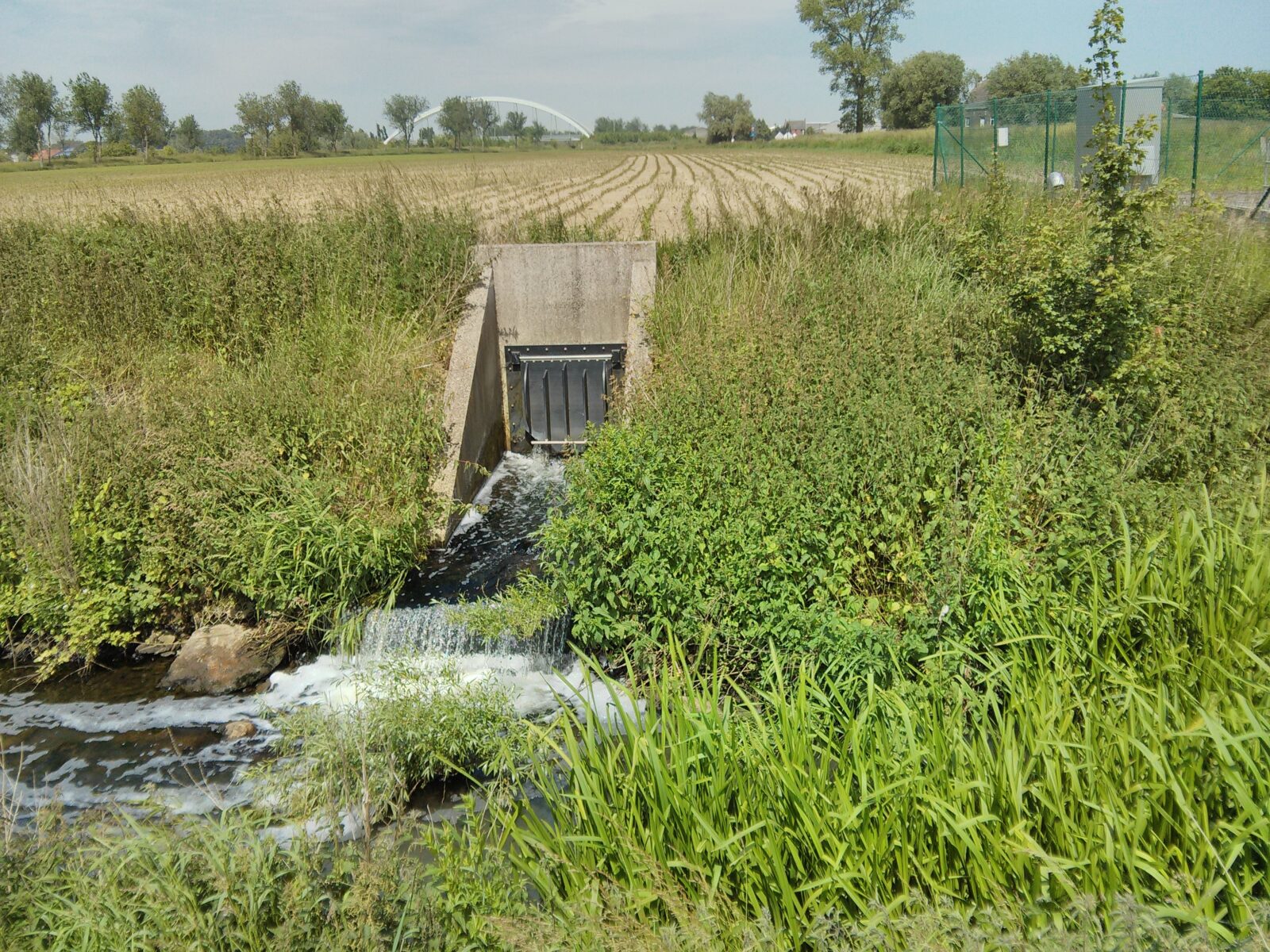
1,600 overflow metres installed

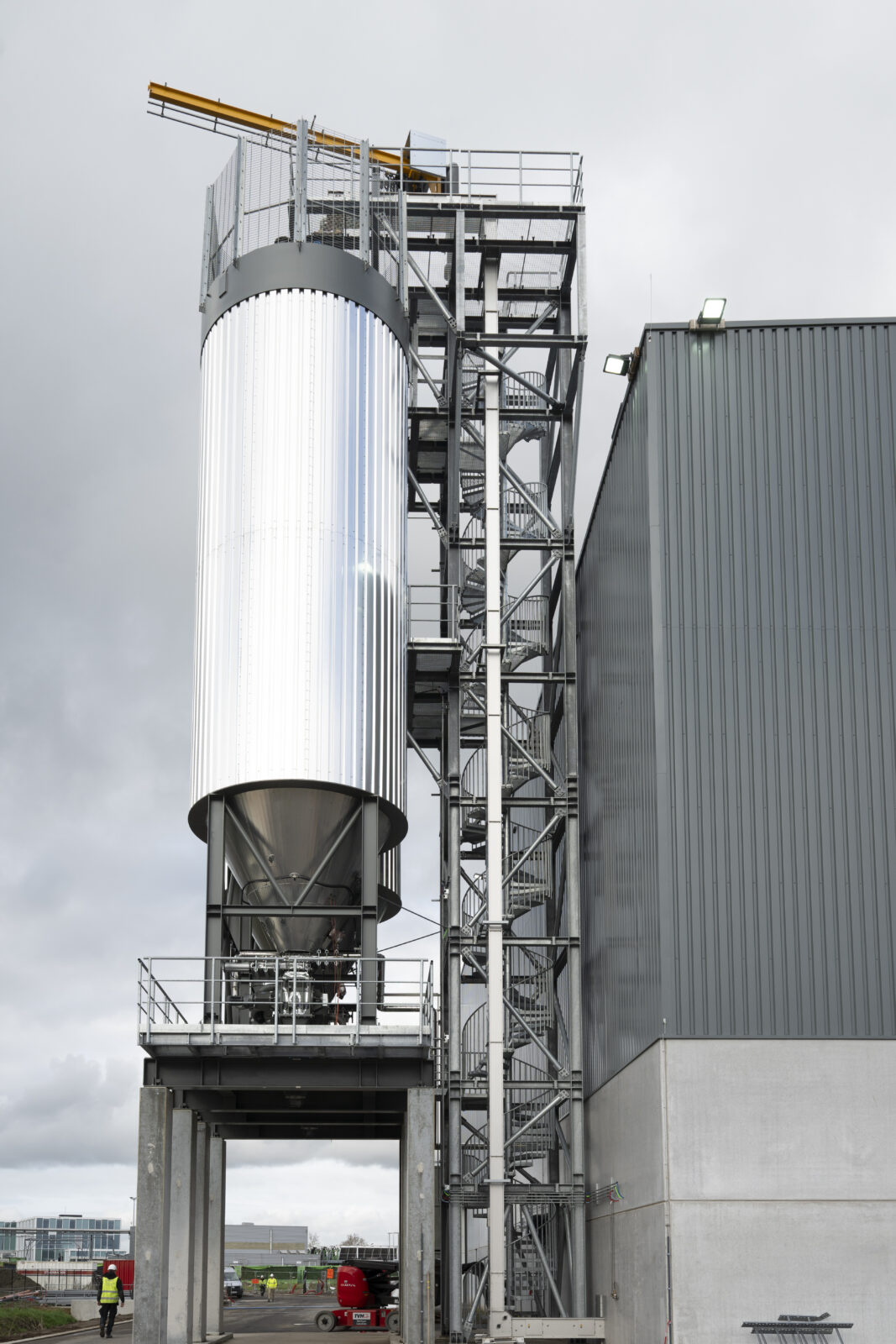
New sludge dryers under construction

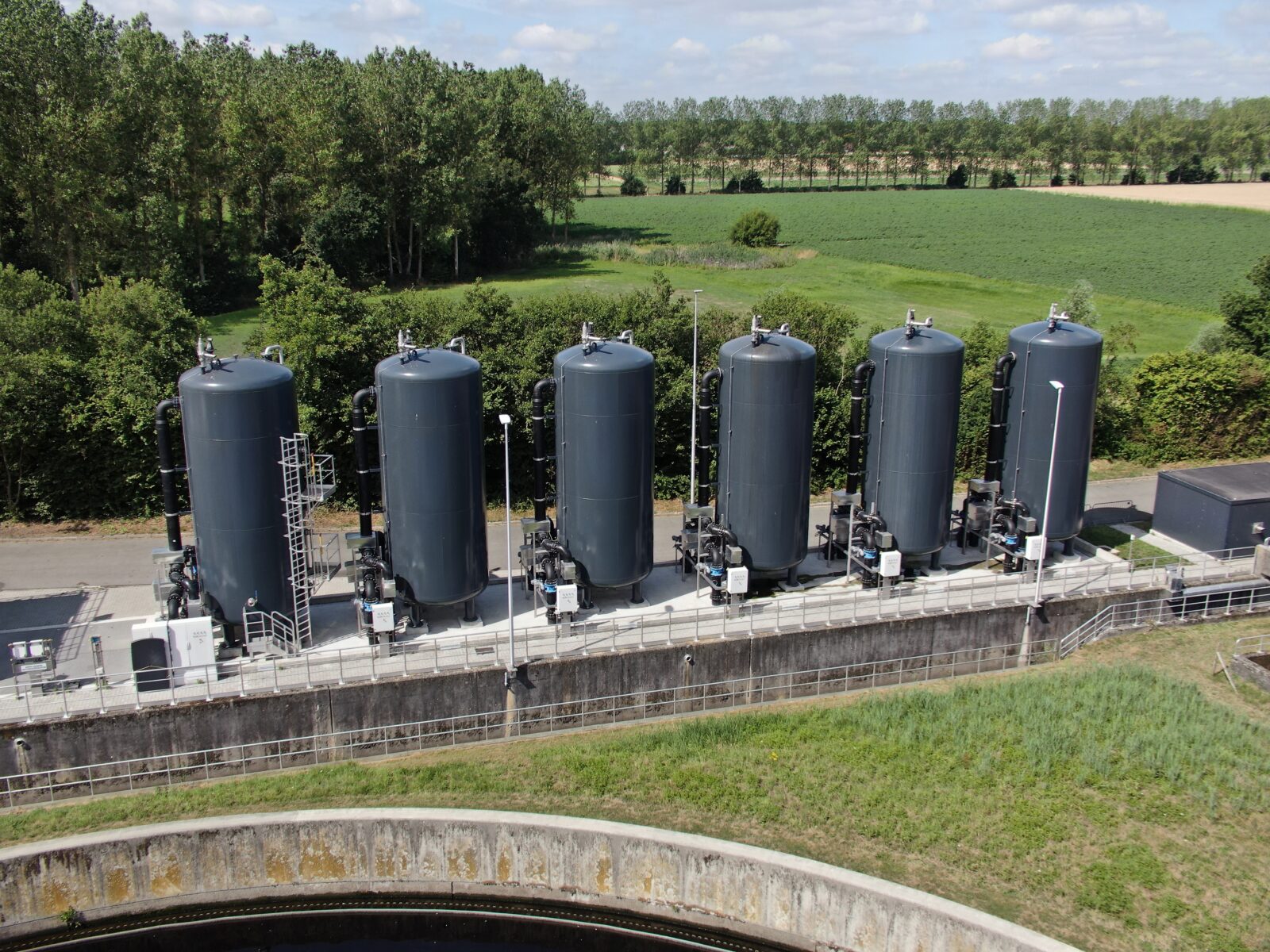
Launch of the first quaternary treatment stage

Launch of a sustainability board

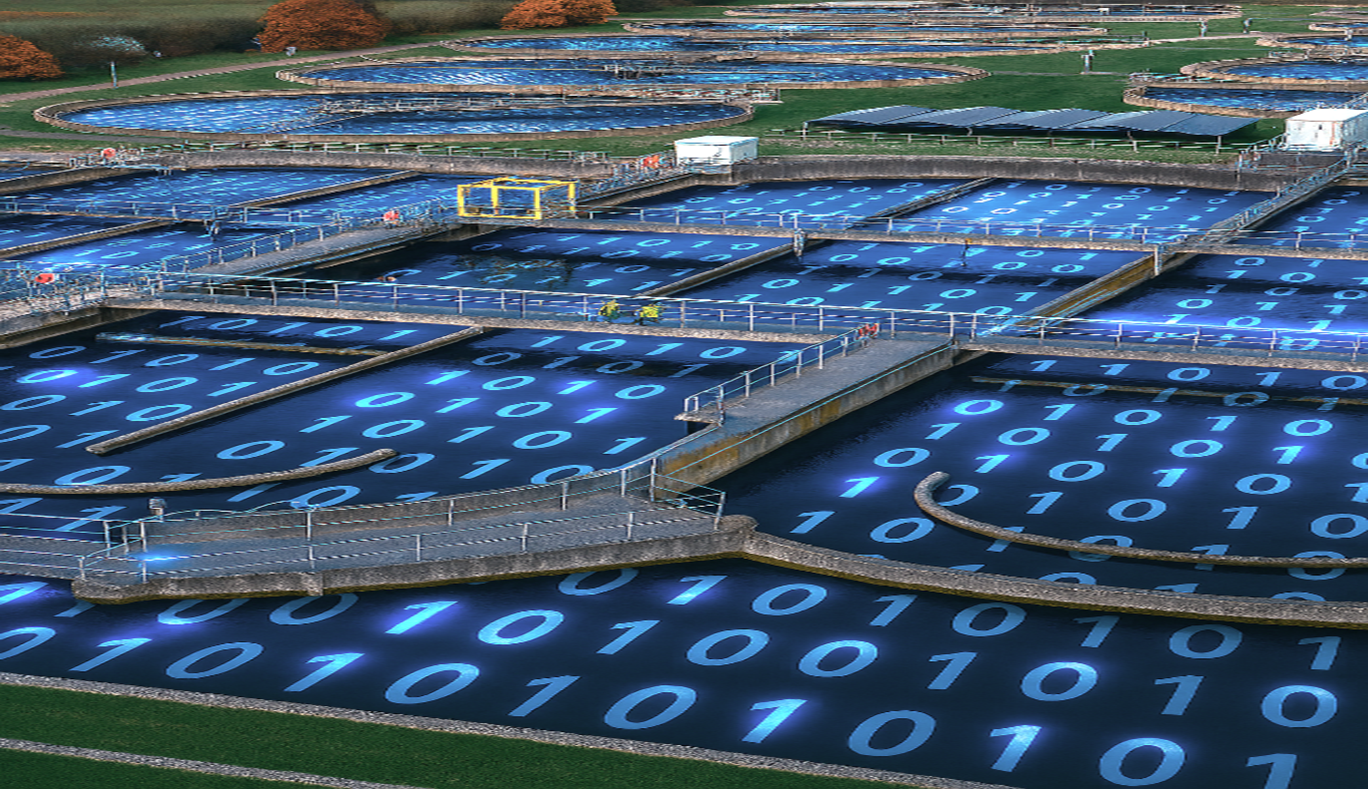
Smart control for nitrogen removal

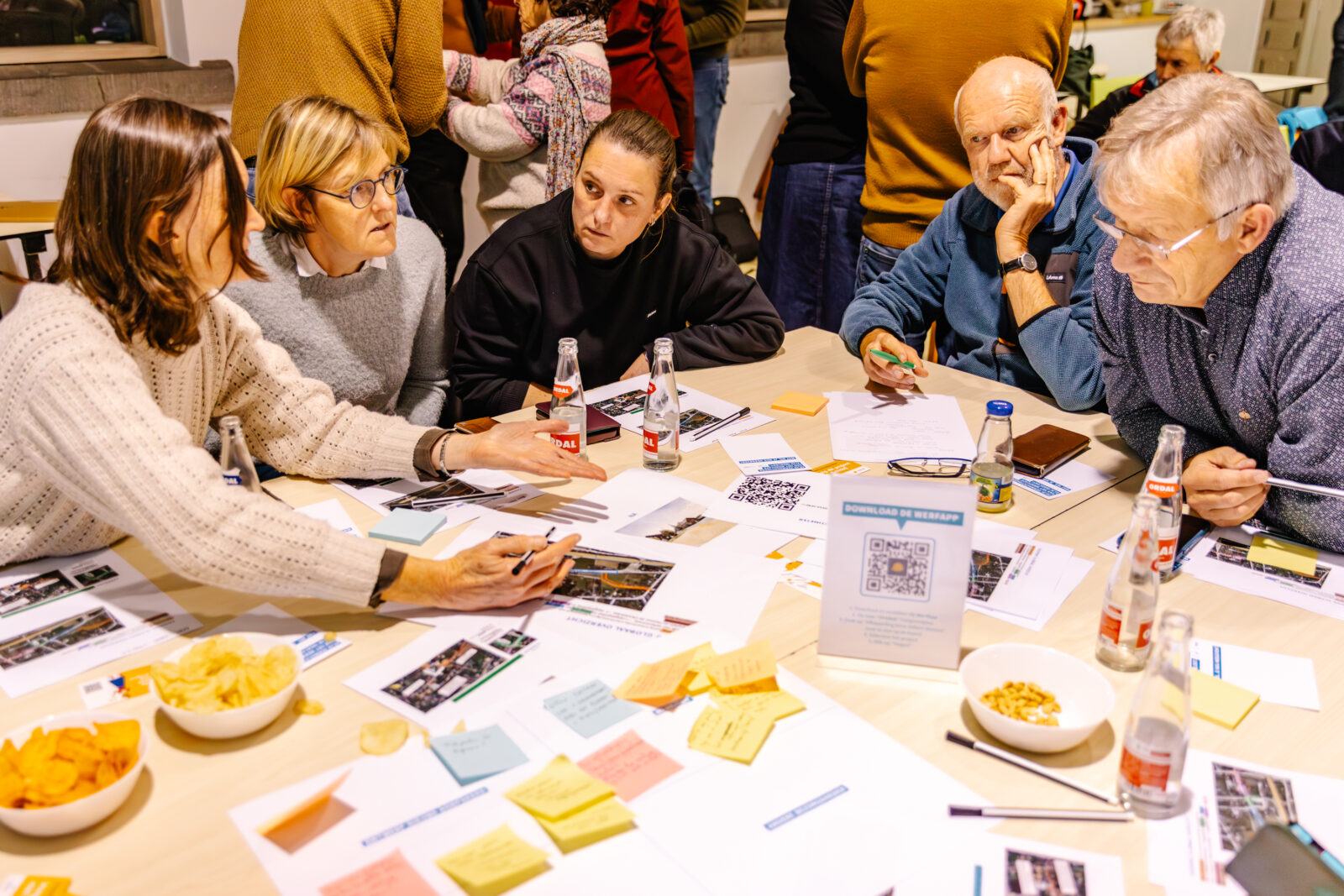
First construction site café: a warm conversation with the local community

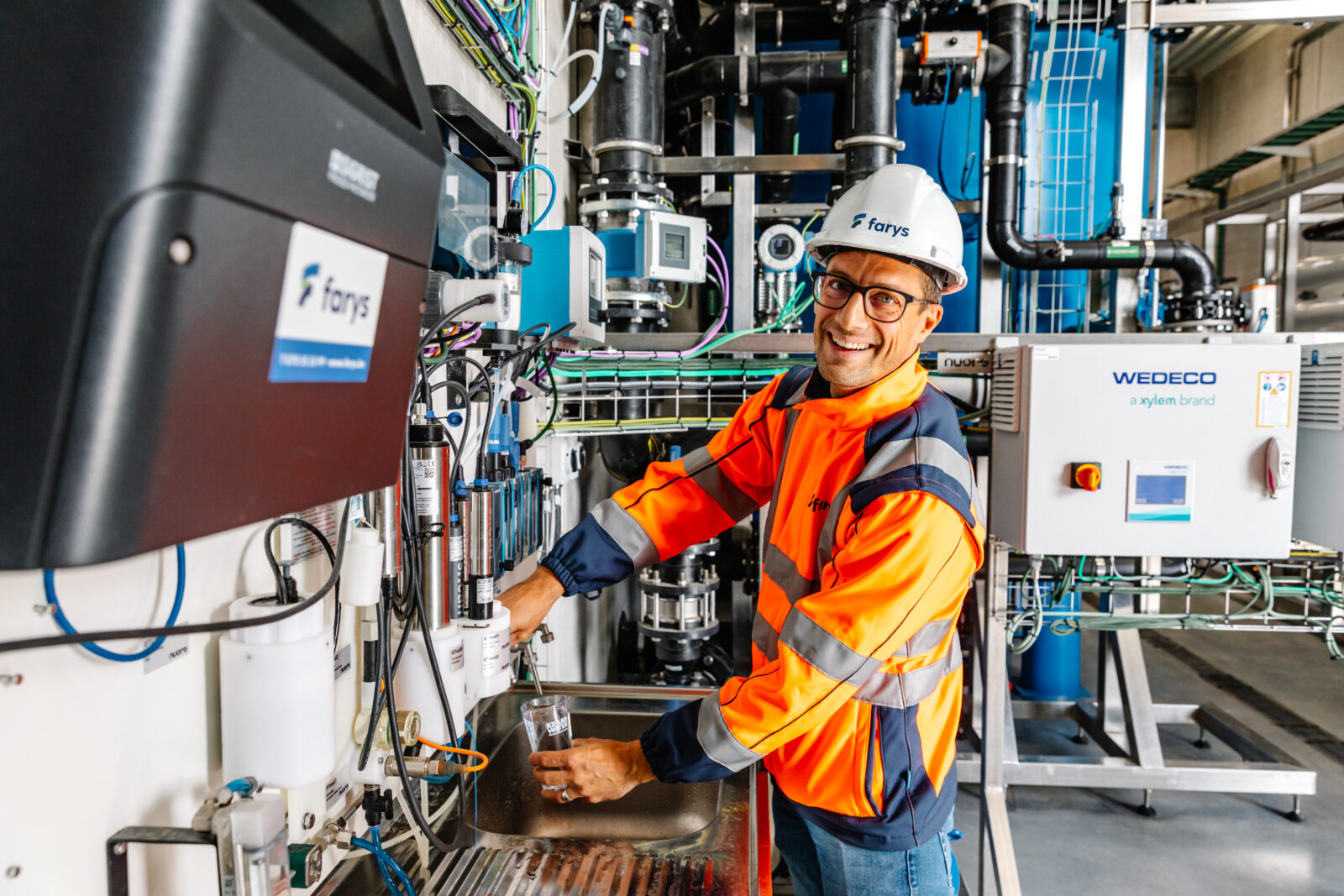
Treated waste water becomes drinking water





About Aquafin
“Today, we treat 88% of household waste water in Flanders.“
Waste water treatment in Flanders
The water you use at home flows through the sewer system to our treatment plants. There, it is thoroughly treated so that it can be safely returned to streams and rivers. In this way, we help ensure clean waterways and a healthy living environment in Flanders. Today, we treat 88% of household waste water in Flanders, on behalf of the Flemish Government.
A strong network for waste water treatment
Aquafin builds, finances and manages the supra‑municipal infrastructure for the collection and treatment of household waste water. This includes major collector sewers and waste water treatment plants that collect and treat waste water from municipal sewer systems. We actively coordinate our investments and projects with municipalities, sewer managers and other partners. This ensures an efficient approach and prevents fragmentation in water management.
Working together towards a robust water systeem
Municipal and supra‑municipal sewer systems are closely interconnected. That is why we focus on coordination and system-level management across the entire network.
Today, we already support more than half of the Flemish cities and municipalities in managing their waste water and stormwater infrastructure, often in cooperation with Water-link, Pidpa and De Watergroep.
Transparent and careful management
We strictly safeguard the separation between our responsibilities on behalf of the Flemish Government and the services we provide to local authorities. We do so in line with clear agreements set out in our cooperation framework. In this way, we guarantee transparency and the correct use of public funds.
Innovation for climate action and energy transition
Waste water treatment is more than a statutory obligation. We maximise the potential of water. That is why we develop solutions that contribute to:
✦ the energy transition, for example, by recovering energy from waste water
✦ climate adaptation, through smart buffering and water reuse
✦ digitalisation, enabling more efficient and smarter infrastructure management
In doing so, we enhance the return on public infrastructure and help build a climate-resilient future.
Our vision
“Clean watercourses for future generations and a living environment in harmony with water”
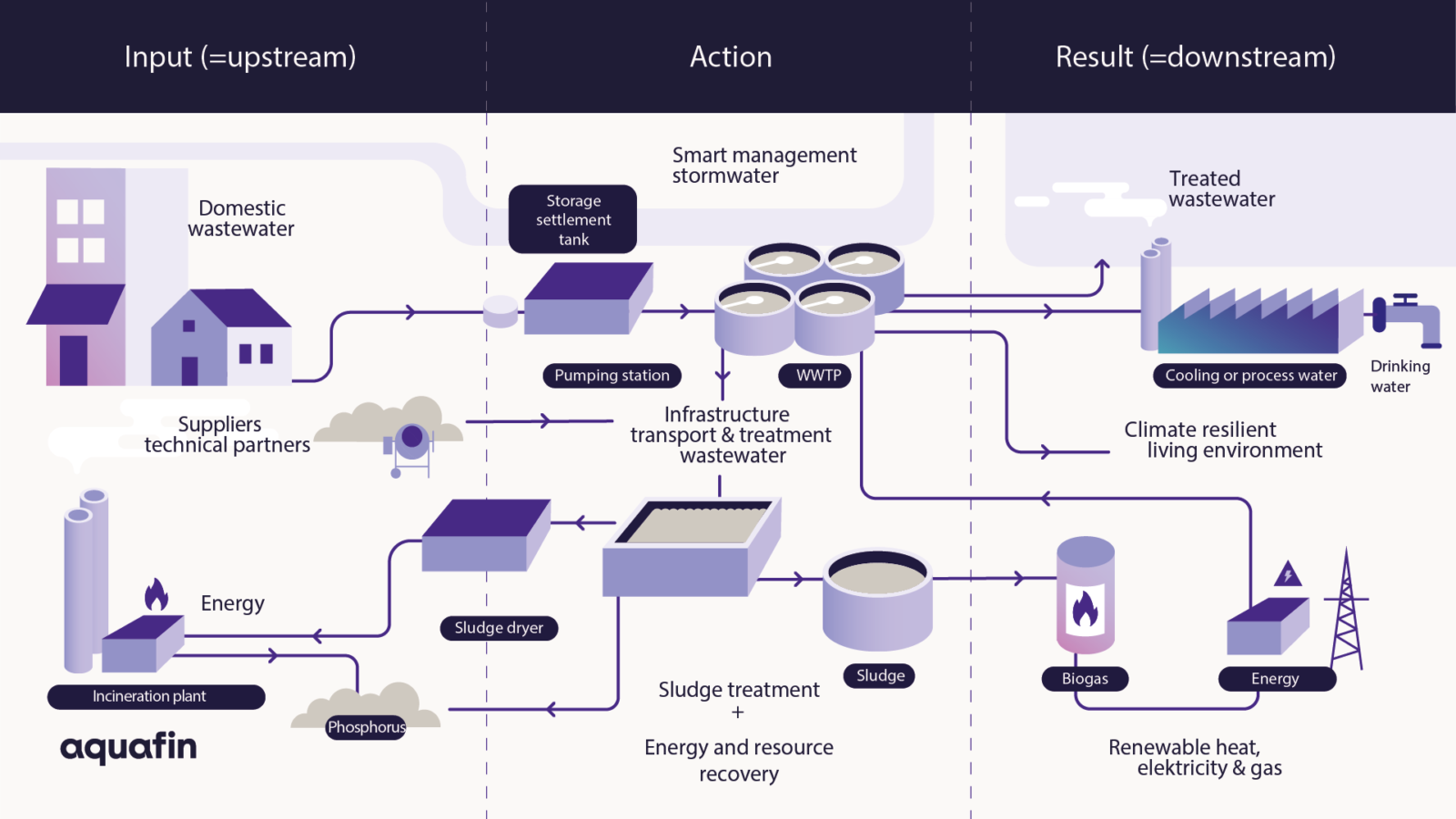
Our value chain

Levers for pure impact
Corporate sustainability is woven into our entire strategy and operations. With these three levers, we make an extra difference.

Strategy, developments and challenges
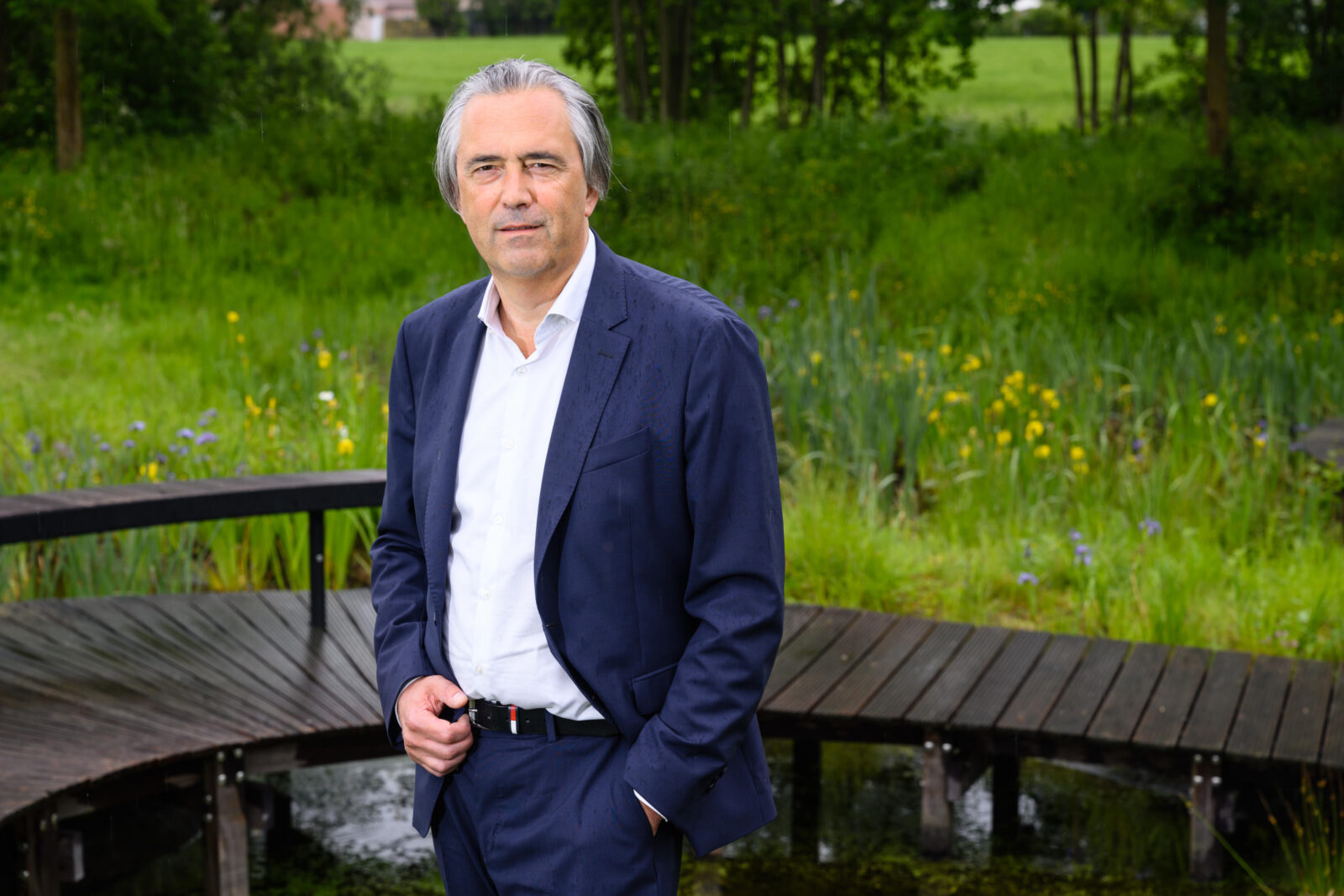

“Long-term choices make a difference today”
Originally set up to eliminate the waste water treatment backlog in Flanders, Aquafin has gradually expanded its impact significantly. Not only through expansion, by adding activities linked to our task, but also through deepening and intensive partnerships. CEO Jan Goossens has seen the opportunities grasped translated into broad potential for the years to come.
What strategic choices made a difference for Aquafin in 2025?
Jan Goossens: “2025 was a year in which a number of long-term choices from the past tangibly paid off. Today, investments that were still being discussed six years ago are now proving their worth. The construction of two sludge dryers and our own sludge mono-incineration facility for the sustainable processing of biomass from our water treatment plants has strengthened our sales security and enabled large-scale phosphorus recovery. The sludge processing capacity in Flanders has been under pressure for several years. And in a context of deglobalisation and geopolitical tensions, that choice to increase our own source of raw materials is not a luxury but a necessity.
At the same time, we made a conscious decision to reinvest revenue from municipal activities in innovation. For instance, we are researching sewage sludge pyrolysis for the purpose of producing biochar: a circular application which avoids CO₂ emissions. The financial support we have received from the Helios Foundation for a pyrolysis and sludge-drying unit is confirmation that this is the right course to take.
Through our rebranding – which was implemented in 2025 – we have positioned ourselves more strongly as a connector with a clear vision of the future. This has strengthened our role in partnerships such as ALLWATERS, where we are helping steer European water innovation through the European Institute of Innovation and Technology (EIT). It has put us in a privileged position from which we can help shape the future of water.”
What achievements are you most proud of?
Jan Goossens: “We have continued to make good progress along the path we have taken by collaborating with municipal sewer operators. Municipalities are showing confidence and increasingly joining one of the partnerships between Aquafin and local sewer operators: proof that this strategic choice from the past was also the right one.
Operationally, we confirmed our role as pioneers: we launched Flanders’ first quaternary treatment plant combining two technologies to remove the widest possible range of micropollutants. And our approach to understanding the impact of overflows is among the best in Europe. We now monitor 1,600 overflow sites and have our own tool for calculating pollutant emissions, which enables us to implement targeted measures to improve water quality. We have also continued to work on additional phosphate removal at our WWTPs and kept a lot more phosphorus out of the watercourse as a result of relatively inexpensive investments.”
What are Aquafin’s priorities for 2026 and beyond?
Jan Goossens: “To comply with European regulations, Flanders must continue to invest strongly in waste water disposal and treatment infrastructure over the next decade. Thanks to the confidence the Flemish Government has placed in us, not only will our investment budget significantly increase over the next few years, but we were also granted additional investment authorisation via the Local Pact. That is the budget with which the Flemish Region takes over municipal investments and assigns them to Aquafin. We will therefore see our project portfolio grow tremendously over the next few years, with the associated challenges. Integrated collaboration with municipalities, their sewer operators and other stakeholders will therefore become even more important. We are busy preparing for this. I also hope that we can evolve towards even more digitalisation and data sharing within the sector. We will take the lead in this and bring parties together, based on the conviction that everyone can make even more of an impact on the goal that we are all working towards.”


Our activities
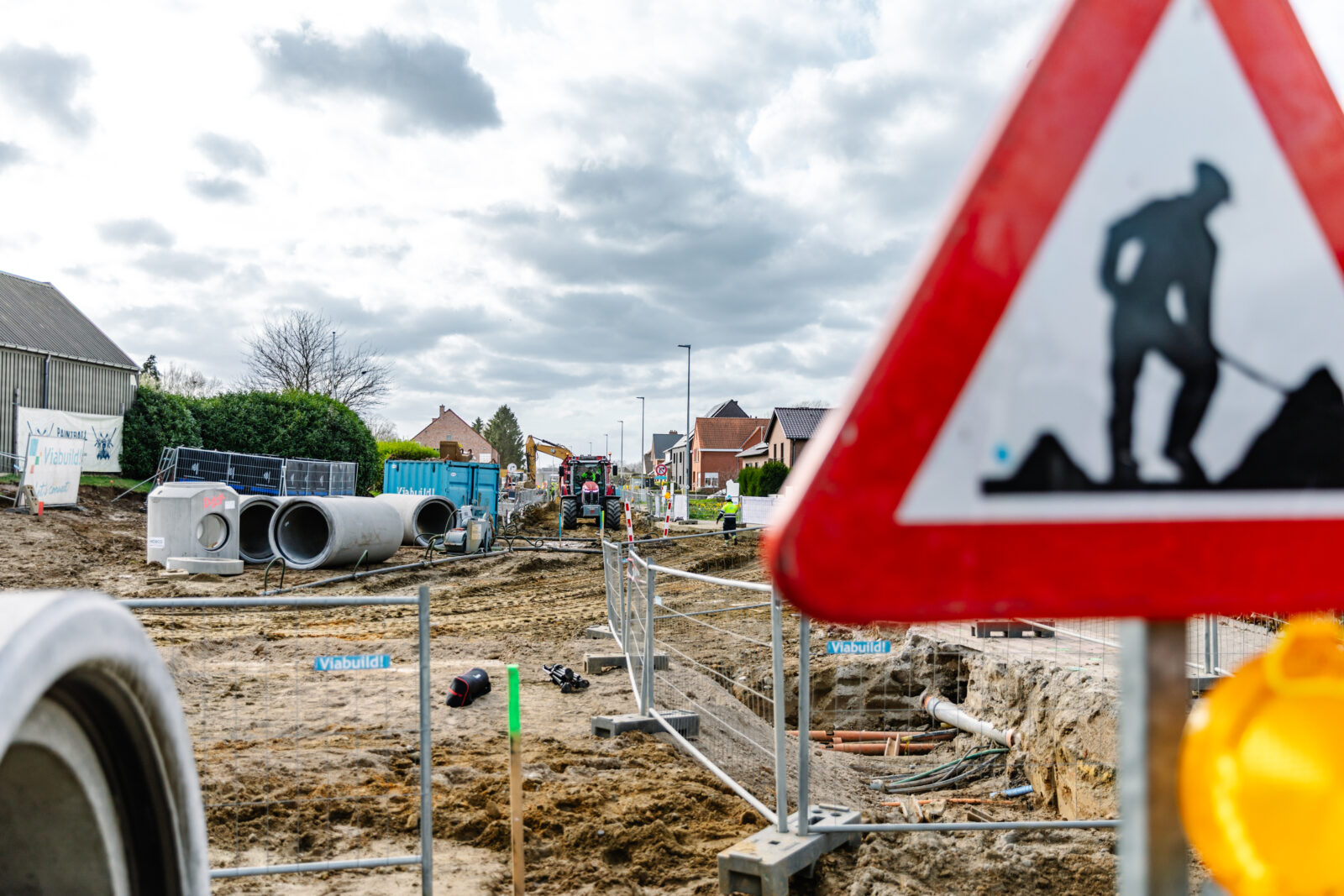


Activities
Assignment for the Flemish Region
Developing and optimising the supra-municipal infrastructure
On behalf of the Flemish Government, Aquafin finances, builds and manages the infrastructure for the collection, transport and treatment of household waste water. Cities and municipalities are responsible for developing and maintaining the municipal sewer network to which residents connect their waste water.
Both Aquafin and local authorities have been assigned reduction targets to decrease nitrogen and phosphorus discharges into watercourses. In this way, they help achieve the ‘good status’ of water bodies required under the European Water Framework Directive. Acting as a ‘matchmaker’, Aquafin aligns municipal and regional investments. This leads to more efficient resource use to meet ecological objectives.
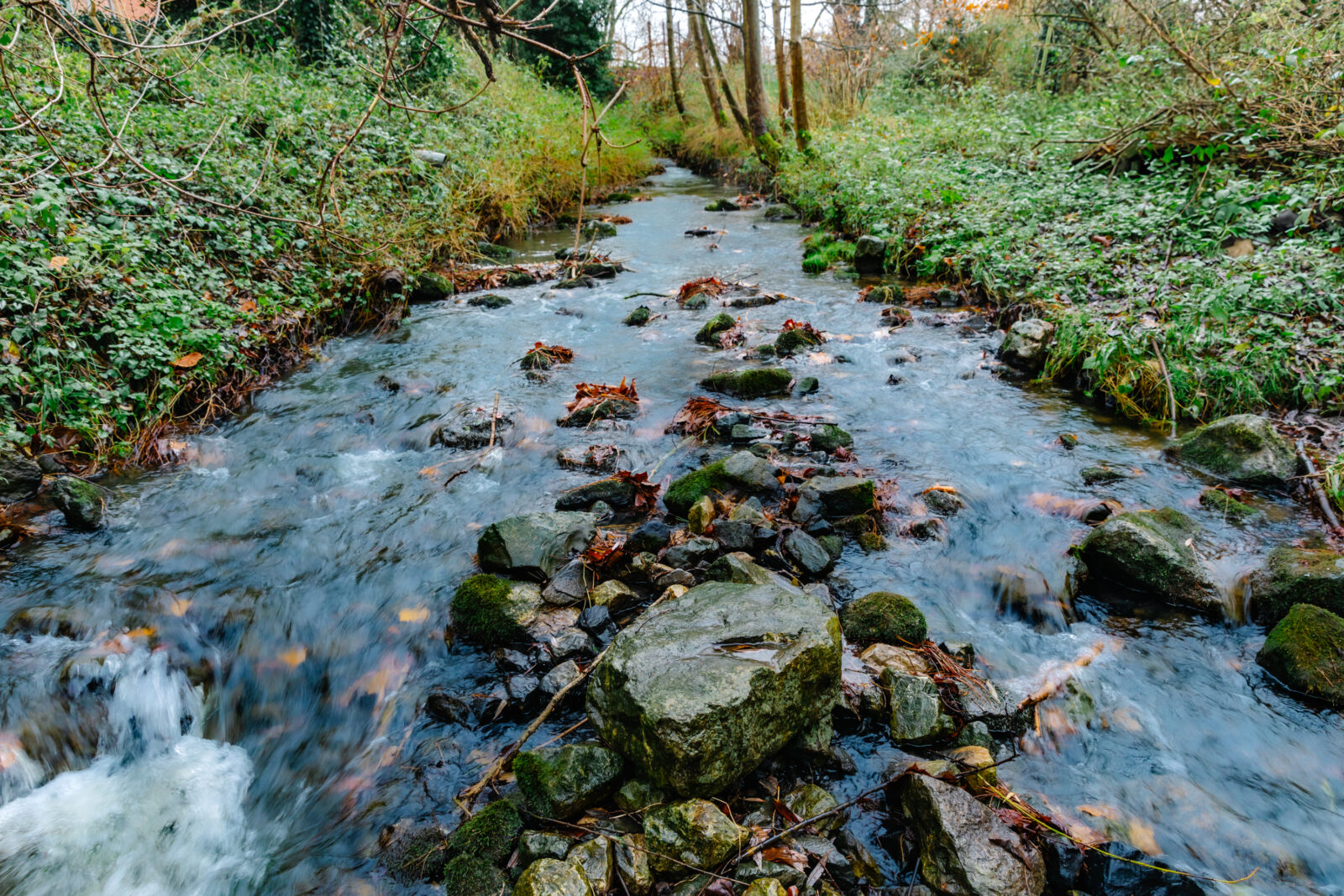

Prioritising projects based on impact
Aquafin has drawn up an action plan for each water body to achieve the supra‑municipal reduction targets. We are planning projects to connect additional wastewater to treatment plants and to improve sewer systems to reduce the need for combined sewer overflow operations. In addition, we are investing in upgrades at wastewater treatment plants (WWTPs) to remove even more nitrogen and phosphorus directly within the treatment process.
Using a self‑developed reduction simulator, we can identify combinations of projects that contribute most effectively to the reduction targets. In 2026, we will further refine this simulator to deploy available resources even more accurately in line with our objectives. We closely monitor progress through a dashboard, enabling us to dynamically adjust our project portfolio where needed.
The graphs below show the reductions contributed by our projects for nitrogen (N) and phosphorus (P), based on projects completed up to and including 2025, categorised by the priority class of the watercourses. Our targets align with what we assessed in 2023 as achievable with the available resources by 2027. The targets account for limited price indexation but do not include unforeseen cost increases, such as mandatory pumping of water due to PFAS contamination.
In 2025, our actions resulted in an annual reduction of 55,900 kg of nitrogen (equivalent to the pollution load of 11,180 inhabitants) and 57,323 kg of phosphorus (equivalent to the pollution load of 81,890 inhabitants) discharged into watercourses.
Nitrogen (N) Reduction in the Watercourse
Phosphorus (P) Reduction in the Watercourse
Preparing in a strong increase in investment
Each year, Aquafin delivers sewerage and wastewater treatment projects within a budget agreed with the Flemish Government. We consistently allocate this budget fully to projects that move us closer to our objectives. As significant work still lies ahead, Flanders is stepping up a gear by sharply increasing the investment pace in the coming years. In 2026, the target already rises to €204 million, compared with €180 million in 2025. By 2033, the annual delivery budget will have more than doubled. The Flemish Government has also extended the Local Pact with municipalities. Between 2026 and 2030, Aquafin will initiate €500 million in municipal sewerage projects, with the Flemish Government covering the investment costs for local authorities. Once the projects are completed, management is transferred to the municipalities and sewer managers.
Such a strong increase in the number of projects to be delivered requires thorough preparation. Together with the sector, we have examined where further efficiency gains are possible, how lead times can be shortened further, and how overall sector capacity can be increased.
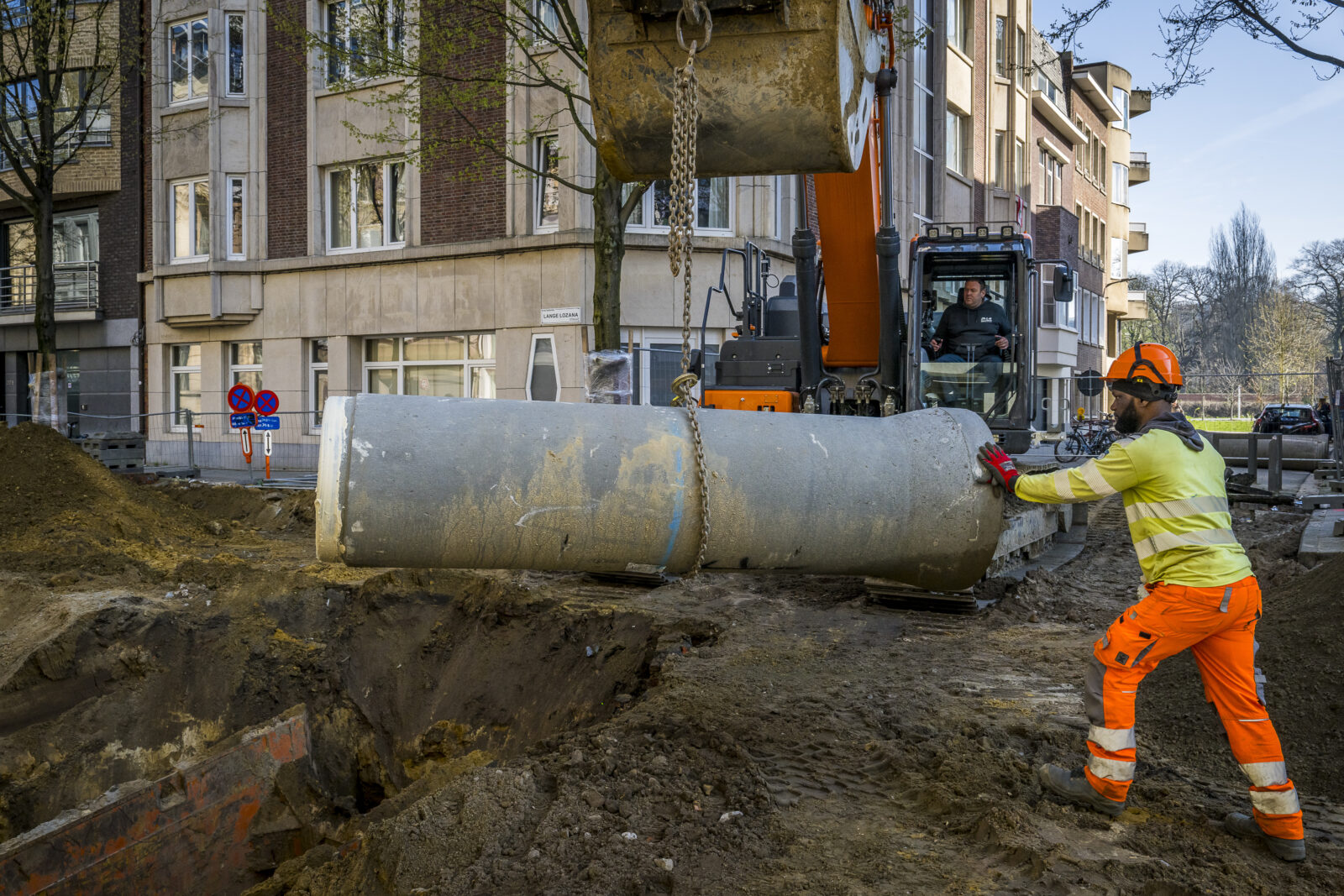
Construction sites with respect for the evironment and local community
The climate impact of construction materials and the increasingly complex context of infrastructure works call for an innovative approach. Through Sites of the Future, we work with the sector to explore new ideas that make sewerage projects more efficient, more sustainable and safer. At the beginning of 2026, the first construction site began operations, with additional measures focusing on order and cleanliness, safety, and reduced disruption. A second site with the same focus will follow later, this time involving the renovation of a wastewater treatment plant (WWTP). At two other selected sites, we are challenging the potential for CO₂ reduction, among other things, through the use of circular and other sustainable materials.
Because attention to sustainability starts already at the design stage, we set up a sustainability board (externe link) last year.
Collecting and treating waste water
The path to clean water
Our collector sewers collect household wastewater from municipal sewer systems and transport it to one of our 332 wastewater treatment plants (WWTPs) spread across Flanders. There, the water undergoes mechanical and biological treatment to meet Flemish and European discharge standards for release into surface waters.
However, it can also be further upgraded to drinking water quality. Treated wastewater (effluent) is likewise an excellent alternative water source for industrial applications such as cooling or process water. In 2025, Waterunie — a partnership between De Watergroep and Farys — commissioned a large‑scale water reuse project at our WWTP in Aalst. The effluent is further treated on site to drinking water quality and fed into the distribution network. Any surplus is stored at great depth and pumped back up during dry periods for use.
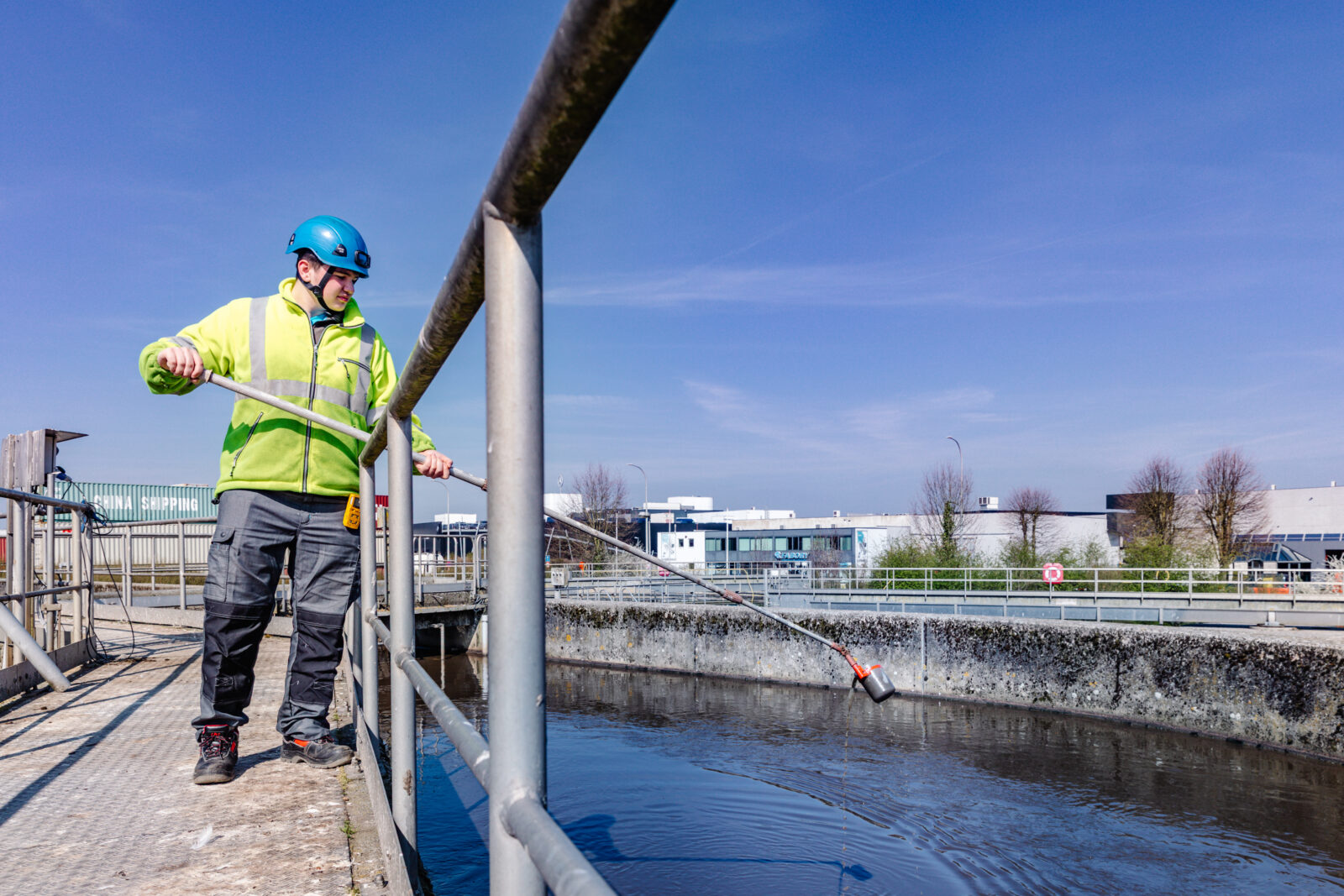

Strong treatment performance
Treated waste water is assessed on three to five parameters, depending on the capacity of the waste water treatment plant (WWTP) (see the bottom of this page). Flemish standards require specific concentration limits and removal efficiencies to be met.
During periods of heavy rainfall, waste water is diluted, so the required influent concentrations are already below the prescribed standards. Additional chemicals are then needed to achieve the required removal efficiencies. Effluent samples that are overly diluted are not included in the evaluation, in line with agreements with the Flemish Environment Agency (VMM).
In 2025, 329 of the 331 evaluated WWTPs met all applicable standards. The two remaining plants met all concentration limits but failed to achieve the required suspended solids removal efficiency. On an annual basis, the 331 WWTPs achieved an overall nitrogen removal efficiency of 85.03% and a phosphorus removal efficiency of 87.59%. Both figures are well above the 80% target.
Why 331 and not 332?
Only WWTPs that were operational on 30 June are included in the annual evaluation. This is why the number of evaluated plants differs from the number of WWTPs in operation on 31 December.
WWTPs that meet all standards
Parameters for clear water
BOD
Biological oxygen demand – the amount of oxygen required to break down the pollution biologically.
COD
Chemical oxygen demand – the amount of oxygen required to break down the pollution via a chemical process.
Suspended solids
All undissolved substances in a volume of waste water.
Nitrogen & phosphorus
Nutrients present in domestic waste water. Excessive quantities of these in the watercourse lead to strong algae growth which reduces the oxygen content.
Keeping infrastructure performing well
The infrastructure managed by Aquafin on behalf of the Flemish Government has an estimated replacement value of around €10 billion. These substantial investments must continue to deliver value. As infrastructure ages, the need for renovation and replacement increases to ensure reliable operation. In addition, new legislation and efficiency improvements may lead to further optimisation.
Innovative inspection methods save both time and budget
By 2027, the Flemish Government aims to have a clear overview of the condition of Flemish sewer systems. Internal sewer inspections are essential to building this picture. The results of inspections of both municipal and supra‑municipal sewers can be consulted via statustool.aquafin.be. The high demand for sewer inspections is putting pressure on the market. Moreover, traditional inspection methods using mobile cameras are costly because sewers must be cleaned beforehand.
That is why, in 2025, Aquafin deployed innovative inspection techniques on a large scale for the first time, including cameras mounted on floating platforms and drones. These methods do not require prior sewer cleaning. As a result, we were able to inspect 70 km of sewer infrastructure, more than in the previous year. In some cases, damage was even more visible without cleaning, for example, where sand ingress had occurred. We are now eagerly anticipating the launch of a brand‑new type of inspection robot in 2026, in which our subsidiary Aqcelerator is involved.
Mapping combined sewer overflows
In emergency situations, excess waste water can be discharged into a watercourse via outlets in the sewer system known as combined sewer overflows. This prevents flooding when the sewer system becomes overloaded. Overflows are therefore necessary, but ideally should operate as infrequently as possible to avoid ecological damage.
Aquafin has built a network of 1,600 overflow meters connected to our alarm system. We use the measurement data to improve our sewer models and also make them publicly available via the digital platform Blue Portal (externe link, opent in nieuw tabblad).
Measuring how often and how long an overflow operates does not, in itself, indicate the environmental impact. Using our Cockle calculation tool, we determine the actual pollution load from overflows. This enables us to identify which overflows should be addressed first to further improve water quality, and which measures will be most effective: disconnecting or buffering rainwater, introducing smart controls in the sewer system, or providing post‑treatment of overflow water.



Deploy resources where they make the biggest difference
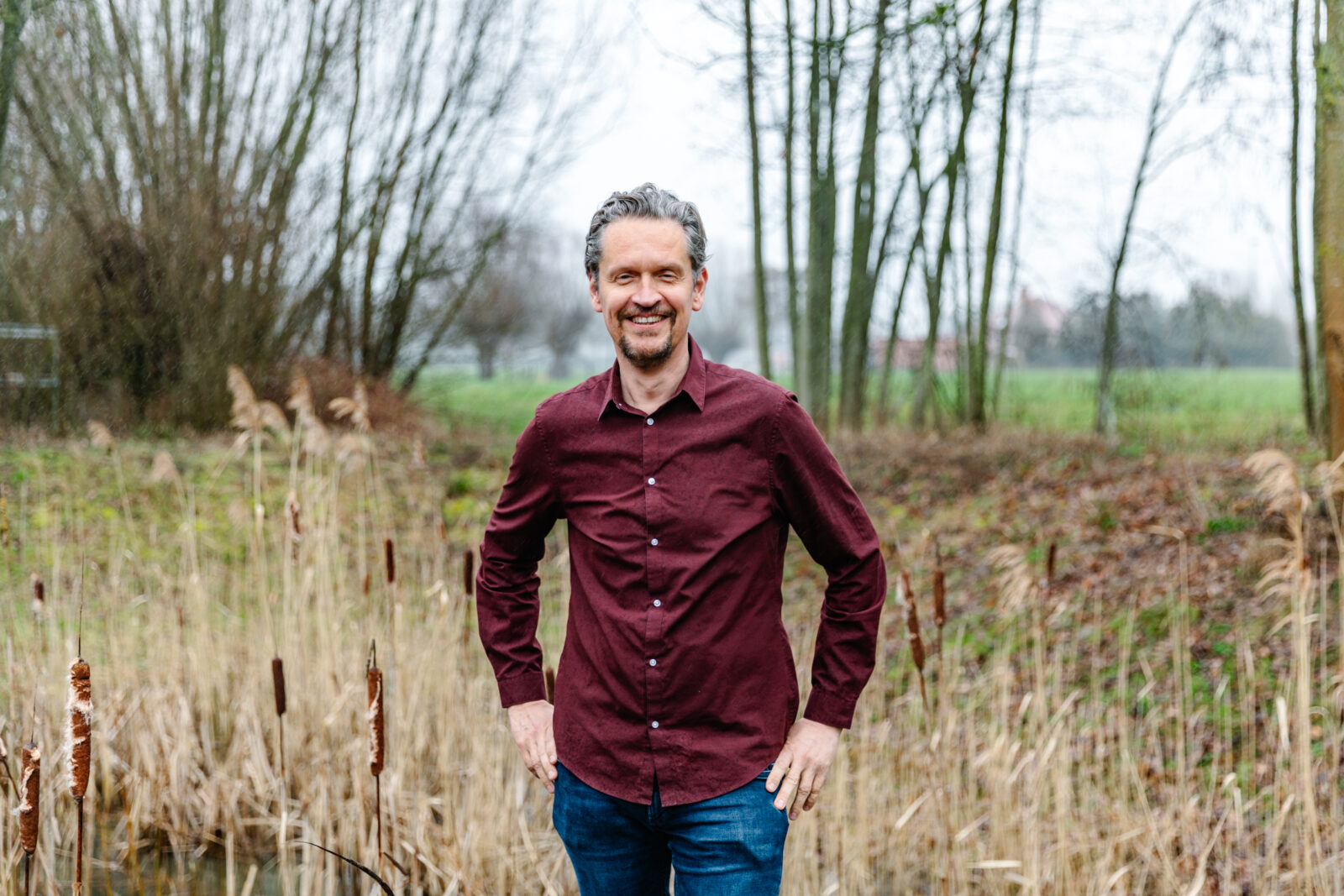
“According to our calculations, in Flanders every year the equivalent of the untreated wastewater load of a big city ends up in our watercourses via overflows. Only 18% of all overflows have high emission levels. Taking a targeted approach to these would therefore significantly improve water quality. Over the next few years, we will continue to expand our overflow measurement network. We are also going to analyse the 1,200 overflows for which we have not yet calculated the pollutant emissions. The innovative modelling we use, is quite unique. We see that from the admiring, and yes, even slightly envious, looks from abroad.”
Geert Dirckx
Overflow programme coordinator


Activities
Increasing impact with clients and partners
Municipal sewer management
In addition to our assignment for the Flemish Government, we also support cities and municipalities in managing their sewer systems. To this end, we work in a structural partnership with the drinking water companies Pidpa, Water‑link and De Watergroep, operating together under the name Riopact. Within these collaborations, each partner takes on the role in which it has the greatest strength. Contact with citizens is handled by the drinking water company, while Aquafin is responsible for network vision development and project management.
We also collaborate with Farys on a project‑by‑project basis in Aalst and Dendermonde. Our experience shows that joint management of municipal and supra‑municipal investments delivers significant efficiency gains. That is why we strive to build sustainable, long‑term partnerships with all municipal sewer managers.
Advice and projects for climate adaptation
As a result of climate change, we are seeing increasingly frequent extreme weather events, such as prolonged droughts and intense rainfall over short periods. Combined with the extensive paved surfaces in Flanders, this leads to both drought stress and flooding. The key message is to retain rainwater where it falls. This can be done through soil infiltration or by buffering, possibly for reuse. Discharge should only be the last option. In our advice to cities and municipalities, we follow this cascade approach. We prioritise ‘blue‑green’ solutions that create space for water, remove hard surfaces and favour natural design. This approach also offers many benefits for recreation, biodiversity, and physical and mental health. Through Blauwgroenvlaanderen.be (externe link, opent in nieuw tabblad), we inspire stakeholders with measures and best practices.
In 2025, we delivered 59 water and environmental recommendations for local authorities and other organisations.
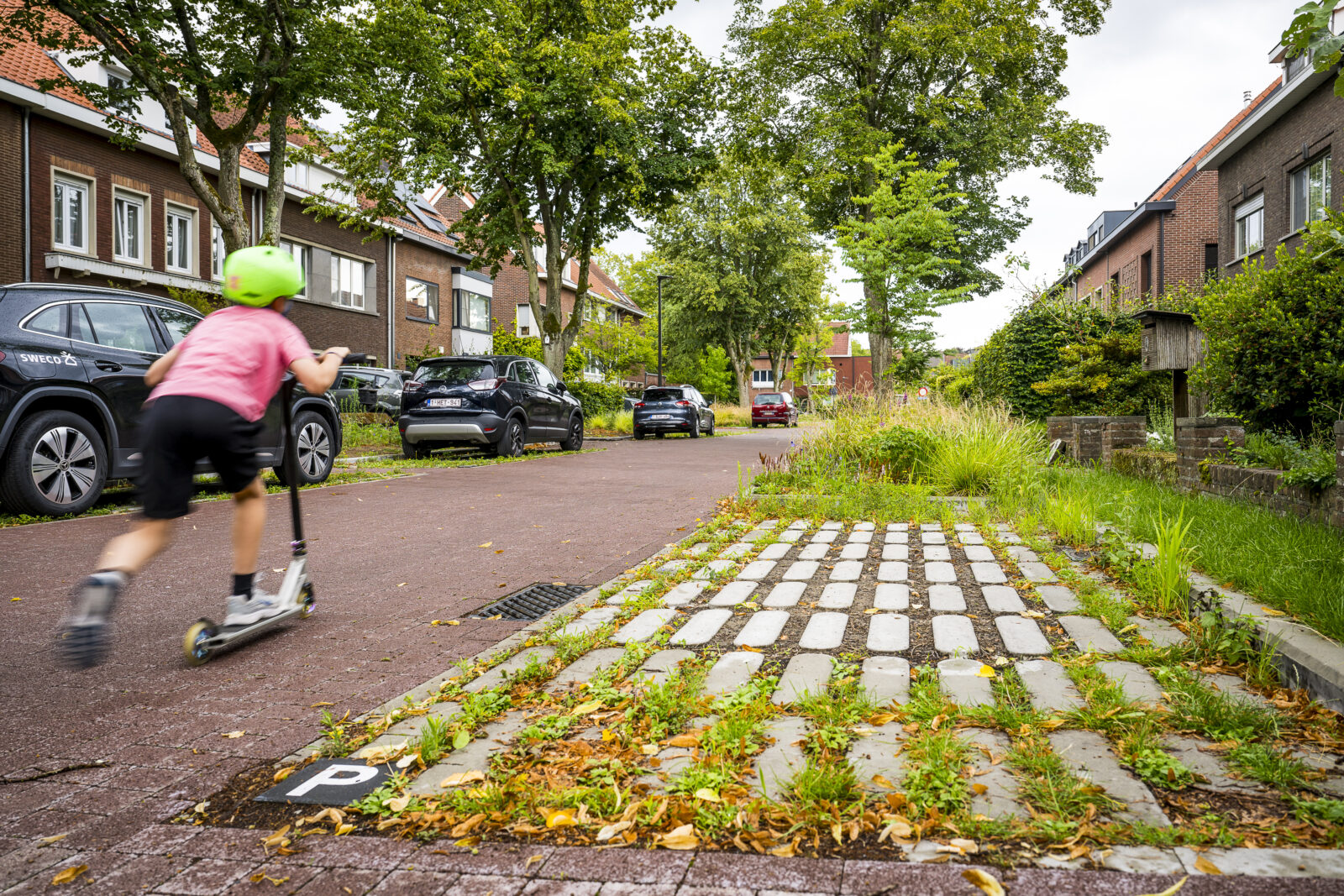


Buffer basins are given a dual function
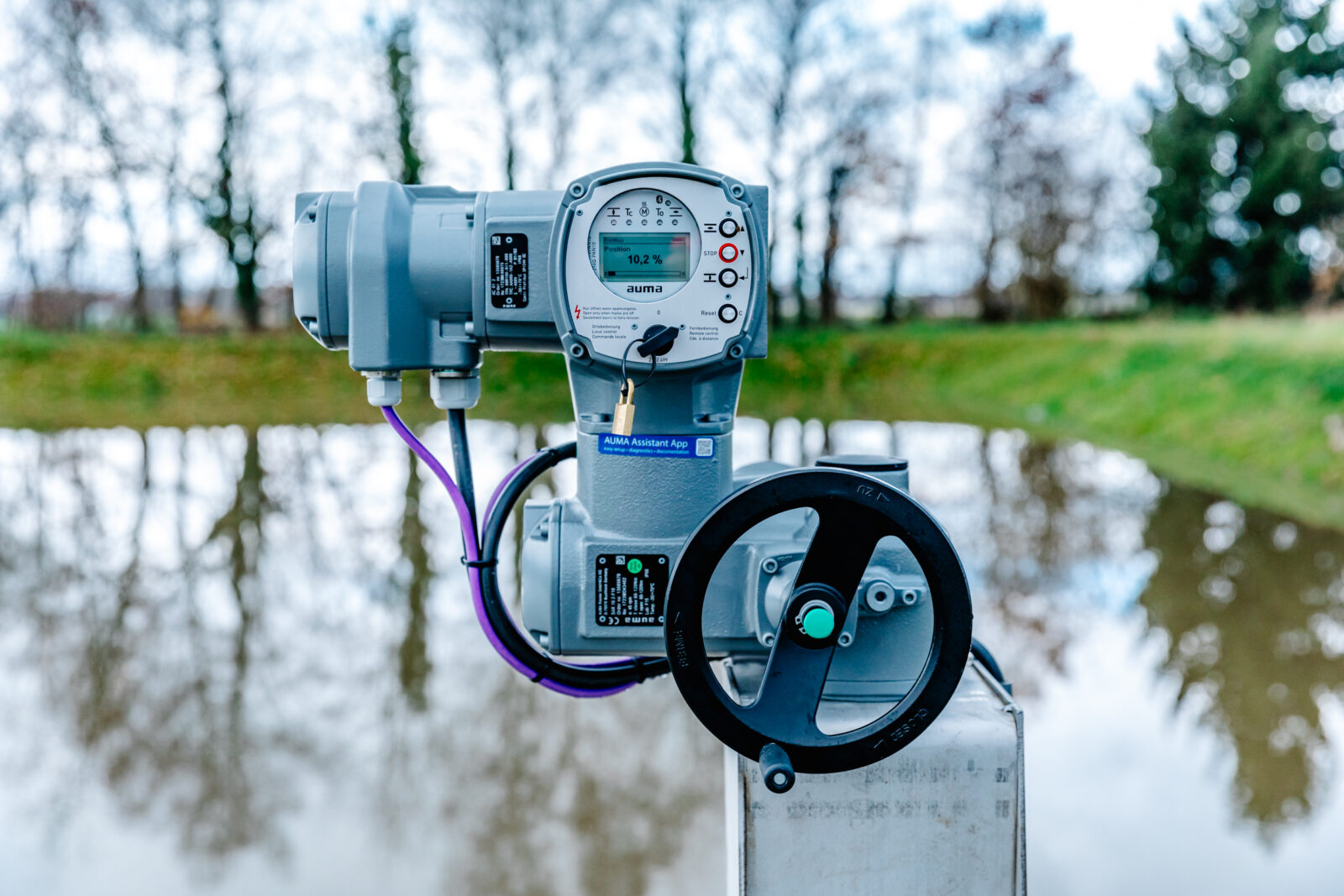
A buffer basin is designed to temporarily store excess rainwater and release it gradually over time. At Aquafin, we find it a shame for this valuable water to simply flow away. That is why we developed an automated control system that keeps the basin as full as possible during dry periods, allowing the water to be put to beneficial use. When heavy rainfall is forecast, the basin is partially emptied in advance to create sufficient capacity to absorb the incoming rain. In this way, buffer basins are given an additional function.
At the beginning of 2025, we commissioned such a control system at a buffer basin in Kraainem. The municipality uses rainwater for its green maintenance services and to keep sports fields lush. In Mechelen, a smart‑controlled buffer basin supplies local farmers with water for an underground irrigation system. And on an industrial estate in Tielt, a collective rainwater buffer is now providing up to 30,000 m³ of reusable rainwater for a local carpet manufacturer.
Private customers and industry
We not only provide services to cities and municipalities. Companies and other organisations can also make use of Aquafin’s expertise. Property developers or project promoters looking for a sustainable way to heat and cool buildings, for example, can set up a sewer heat recovery (riothermy) project with us. The potential for energy recovery from sewers can be explored via AquaMarkt.

First sewer heat recovery commissioned
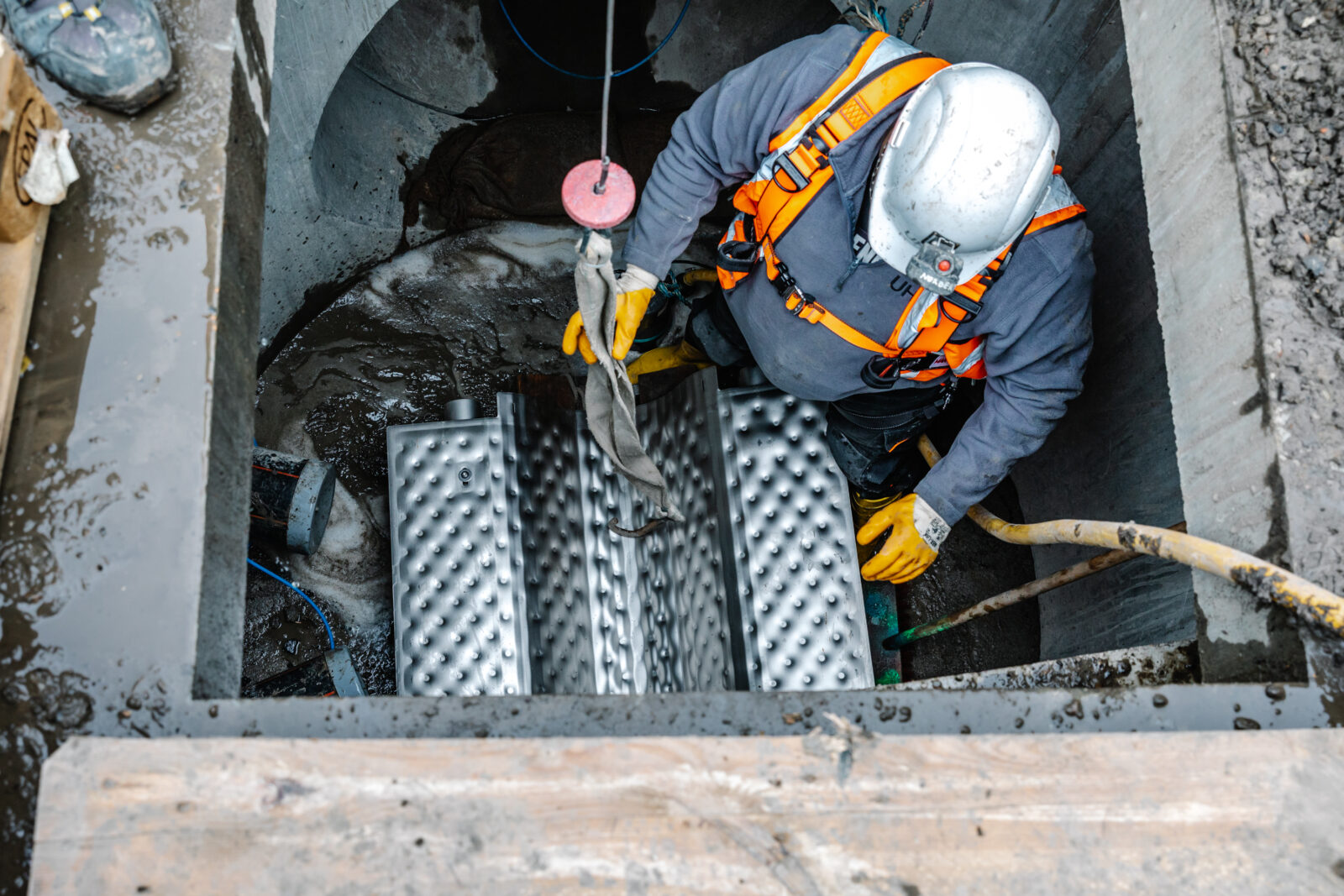
Sewer heat recovery (riothermy) is a technology that recovers energy from waste water and is recognised as a renewable energy source by the Flemish Energy and Climate Agency (VEKA). It uses a heat exchanger and a heat pump to harness residual heat from waste water for heating or cooling buildings. This makes it an attractive option for local authorities looking to develop their heat plans under the Local Energy and Climate Pact (LEKP).
Following an initial application in our own offices, we implemented the first sewer heat recovery projects at public locations in 2024. In Sint‑Niklaas, we installed sewer heat recovery for the new swimming pool and the city pavilion located on the same sports site. The swimming pool has since opened and is now fully heated using sewer heat recovery.
In Mechelen, a completely new urban district is currently under development, comprising residential and office units as well as retail spaces, all of which will be heated and cooled using a combination of sewer heat recovery and geothermal energy. At this scale, the combination is unique in Europe. Meanwhile, new projects are also in preparation in Kortrijk.
Since 2025, we have been offering a preliminary measurement campaign. Sensors installed in the sewer measure wastewater flow rates and temperatures year-round. This allows us to accurately assess whether, and to what extent, sewer heat recovery can meet a client’s heating demand.



Activities
Research & innovation
Research at Aquafin can form part of an innovation programme or be aimed at building knowledge. Our research activities and innovations create added value for people and the environment. Thanks to our extensive asset base and practical expertise, we are a sought‑after partner for the long‑term and large‑scale testing and implementation of new technologies.
Research focused on water quality
The revised European Urban Waste Water Treatment Directive (UWWTD) will, in the longer term, require the removal of micropollutants at certain wastewater treatment plants (WWTPs). In 2025, Aquafin commissioned its first quaternary treatment installation in Aartselaar: an additional treatment step designed to remove these substances from wastewater. Through the Interreg project Clean Watercourses through O3G, we share our experience with this additional treatment step with other research partners in Flanders and the Netherlands.
The quality of run-off rainwater also affects surface water. This is a particular concern for car parks and roads with a separate sewer system, as oil residues and tyre particles can be washed into nearby watercourses. Aquafin carries out measurements within the European research project STOPUP. We also test treatment techniques for polluted rainwater. Using a self‑developed tool, we can calculate expected pollution levels and simulate the impact of mitigation measures.
Read more about our research (externe link, opent in nieuw tabblad)
Climate mitigation and adaptation
We investigate emissions of methane, nitrous oxide (N₂O) and CO₂ from our treatment processes and sewer systems to gain a clear understanding of where measures will have the greatest impact and to reduce our ecological footprint. In 2025, our R&D department launched a new measurement campaign using drones and other monitoring methods to obtain a detailed picture of emission sources.
Read more about greenhouse gases (externe link)
In addition, we are exploring how CO₂ can be used in a circular way. At the Antwerp South waste water treatment plant (WWTP), we tested the conversion of residual CO₂ into acetic acid together with Bio Base Europe Pilot Plant, a step towards the production of biofuels. This forms part of the European Horizon project Fuelphoria.
Our climate adaptation research focuses on water quantity and the modelling of sewer systems, including rainfall data, overflow operation and source control measures, enabling us to better align water management with a changing climate.
Resource recovery
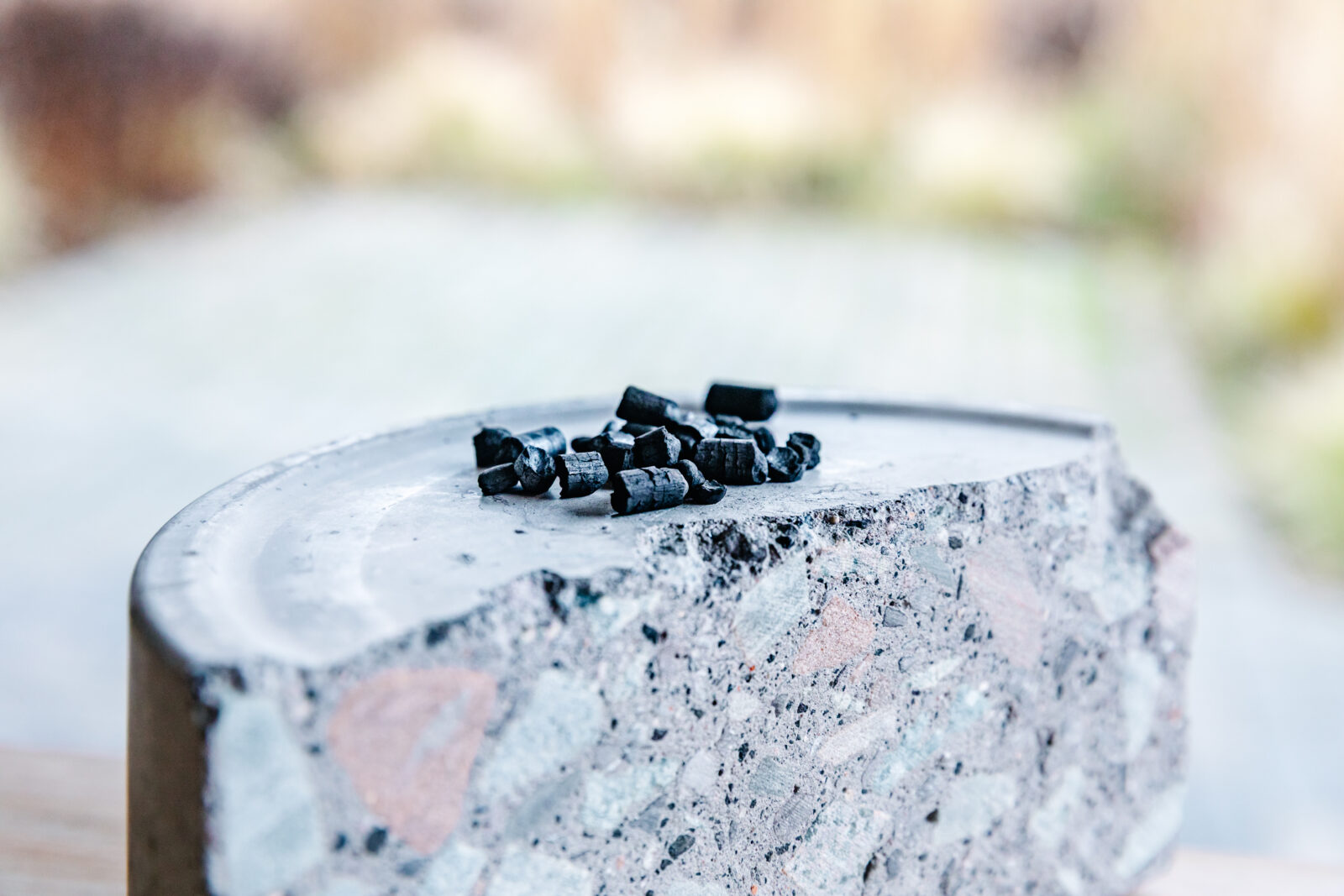
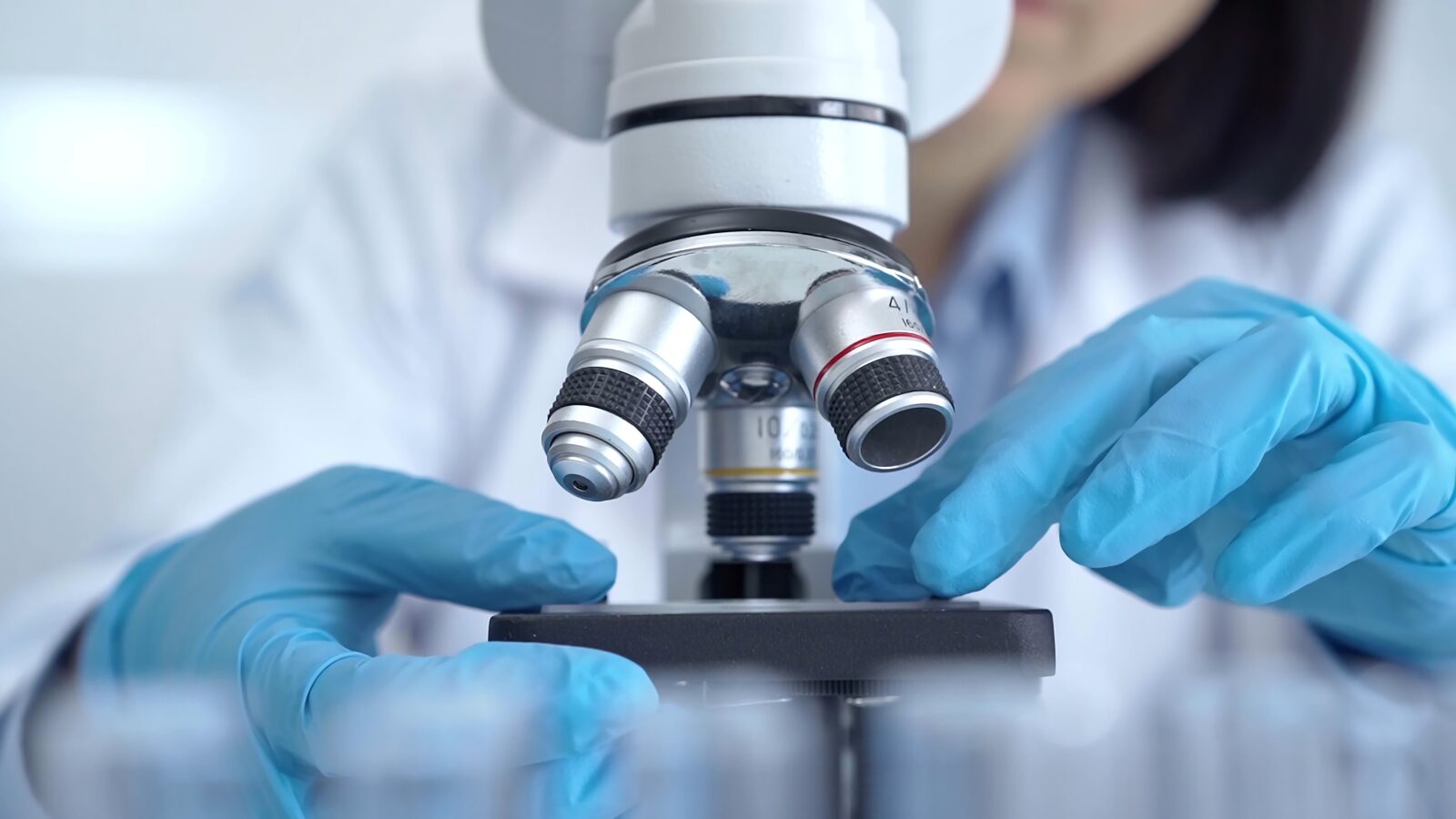
Waste water contains many valuable resources. Aquafin investigates which of these can be recovered efficiently. One such resource is the carbon stored in treatment sludge. We explored pyrolysis, a process in which sludge is heated to high temperatures in an oxygen‑poor environment. This converts it into biochar: charcoal‑like granules that retain carbon instead of emitting it as CO₂. Biochar is still relatively new and can be used as a circular raw material in a wide range of sectors. With the support of VLAIO (Flemish Agency for Innovation and Entrepreneurship), and in collaboration with Hasselt University and Bioterra, we are assessing its feasibility as a cement substitute in concrete.
At the same time, we are investigating whether biochar can replace activated carbon in our quaternary treatment processes for micropollutant removal. With support from the Helios Foundation, we will build a pyrolysis installation at our waste water treatment plant in Menen, enabling the annual production of 500 tonnes of biochar. This will reduce greenhouse gas emissions from our sludge processing by more than 2,000 tonnes of CO₂ equivalent per year. In addition, we will capture 640 tonnes of CO₂-equivalent biogenic carbon annually as biochar.


Helping steer European innovations
Over the next 15 years, Europe will invest €600 million in innovative projects on water quantity, water quality and the development of a circular and sustainable blue economy through the European Institute of Innovation and Technology (EIT). Aquafin is part of the ALLWATERS consortium, which leads EIT Water. This international consortium also brings together leading companies, research institutes, universities and NGOs. In Belgium, the Blue Cluster is taking the lead, with organisations such as North Sea Port and the Jan De Nul Group also participating.
Being part of the leading consortium gives Aquafin access to an even broader research network. At the same time, it is a privilege to help shape the direction of innovation in water management at the European level.

Sustainability
Act green
Despite the positive impact of our core mission — collecting and treating household wastewater — the infrastructure and treatment processes also leave an ecological footprint. At the same time, climate change, new pollutants in waste water, population growth and other factors are increasing pressure on water quality in streams and rivers. Developing solutions to address these challenges while enabling our infrastructure to deliver even greater value to society — that is what acting green means to us.
Climate neutrality
With our ‘road to zero carbon’ strategy, we aim to achieve climate neutrality across all processes, from raw materials to customers. Our strategy is built around three pillars:
pillar 1
Ambitious reductions in our own processes
We aim to reduce greenhouse gas emissions from scope 1 and 2 by 48% by 2030 (reference year: 2013).
This pillar also includes our target to improve energy efficiency by at least 1% every year. In addition, we are further increasing the share of our own renewable energy in the energy mix to 40%.
pillar 2
Climate-neutral products and services
We work with our suppliers to reduce scope 3 emissions.
We embed sustainability in our procurement policy by integrating it as an award criterion. For example, we contract major infrastructure works using the CO₂ Performance Ladder and invite our technical partners to propose more sustainable project solutions themselves. We also encourage suppliers to invest in sustainable products, for instance, by offering trial-and-test opportunities.
pillar 3
Developing opportunities for sustainable energy
We actively contribute to the transition to sustainable energy.
Therefore, we search for market‑ready, practically applicable solutions, such as biomethane, wind turbines, flexible control systems and batteries. At the same time, we aim to play an active role in developments that intersect with our core activities, including drying and heating using residual heat, sewer heat recovery and district heating networks. In this way, we contribute, in our own manner, to the climate objectives of Flanders.
Energy consumption and mix
| Energy consumption (in MWh) | 2024 | 2025 |
|---|---|---|
| Fuel consumption from coal | 0 | 0 |
| Fuel consumption from oil | 7,316 | 5,938 |
| Fuel consumption from natural gas | 66,759 | 66,814 |
| Fuel consumption from other fossil sources | 0 | 0 |
| Consumption of purchased energy from fossil sources | 523 | 511 |
| Total fossil energy consumption | 74,598 | 73,263 |
| Share of fossil sources | 17.7% | 18.8% |
| Energy consumption and mix | 271 | 321 |
| Share of consumption from nuclear sources | 0.1% | 0.1% |
| Fuel consumption from renewable sources | 67,659 | 62,423 |
| Consumption of purchased energy from renewable sources | 269,543 | 240,568 |
| Consumption of self-generated non-fuel renewable energy | 9,652 | 12,477 |
| Total renewable energy consumption | 346,854 | 315,468 |
| Share of renewable sources | 82.2% | 81.1% |
| Total energy consumption | 421,723 | 389,052 |
Greenhouse gas emissions
| Greenhouse gas emissions per scope in tonnes CO2e | 2013 (basisjaar) | 2024 | 2025 | 2030 (mijlpaal) |
|---|---|---|---|---|
| Scope 1 emissions | 94,435 | 100,517 | 95,528 | 57,546 |
| Scope 1 emissions trading scheme | 0 | 0 | 0 | 0 |
| Scope 2 emissies location based | 52,550 | 37,836 | 34,276 | 18,886 |
| Scope 2 emissies market based | 52550 | 149 | 138 | 442 |
| Biogenic CO2-emissions from incineration or biodegradation of biomass | 2013 (basisjaar) | 2024 | 2025 | |
| Scope 1 (tonnes CO2-eq) | 115,388 | 124,290 | 119,116 | |
| Scope 2 (tonnes CO2-eq) | 0 | 0 | 0 | |
| Scope 3 (tonnes CO2-eq) | 72,626 | 92,404 | 82,034 | |
| Totaal | 188,014 | 216,694 | 201,150 |
“By 2030, we aim to have a clear understanding of our emissions”
“Together with my R&D colleagues, I map greenhouse gas emissions across our infrastructure. They can vary significantly over time. Nitrous oxide emissions fluctuate with the seasons and methane emissions often show short peaks. In addition, measurements from one wastewater treatment plant cannot simply be extrapolated to another. The same applies to sewer systems: many factors influence emissions: the material of the pipes, whether the system is combined or separated, the presence of septic tanks, …
By 2030, we aim to have a clear understanding of our emissions so we can fully focus on mitigation. Of course, we are already taking measures in the meantime. For example, we are exploring the impact of the adjustment to the aeration control system.
Internationally, our measurements can also contribute to closing knowledge gaps regarding greenhouse gas emissions in wastewater treatment.”
Bart Saerens, Study Lead R&D


Sustainability
Make people flourish
More than 1,300 people work directly for Aquafin and we indirectly provide employment to several tens of thousands more through the contractors we work with across the sector. For both our own employees and those of our technical partners, we are committed to creating a safe and pleasant working environment, with opportunities for development and growth.
Our impact makers
In their jobs, all employees contribute to our vision of the future in one way or another. That is what connects them and makes them proud. Our HR policy relies on four pillars:
Talent development and growth
We invest in a positive learning culture where employees are encouraged to experiment and allowed to make mistakes. Staff are stimulated to develop their talents and take ownership of their careers.
In the first half of 2025, we recorded no fewer than 5.83 training days per FTE. This high figure is linked to the transition to a new ERP system midway through the year. As many as 55 colleagues moved internally to new roles.
Connection
We safeguard equal opportunities and create a working environment free from intimidation. In our selection and recruitment processes, we apply techniques to eliminate bias as much as possible. In 2024, we organised workshops to define what an ‘inclusive workplace’ means for Aquafin. In 2025, we are building on this work by rolling out a charter and code of conduct.
In addition, we launched pilot programmes with external partners in 2024, focusing on the inclusion of specific target groups: students with a disability or chronic illness seeking a student job; jobseekers with an Autism Spectrum Disorder; jobseekers with a disability or health issues; and employees who act as informal carers.
Safe environment & health
We also offer a wide range of wellbeing initiatives, ranging from information and awareness‑raising to targeted training. Our approach goes beyond prevention: we also provide an appropriate reintegration policy for employees absent due to illness or injury.
Workable work
Characteristics of employees
| men | women | total | |
|---|---|---|---|
| Number of employees | 930 | 364 | 1294 |
| Permanent employees | 930 | 363 | 1293 |
| Temporary employees | 0 | 1 | 1 |
| Part-time employees | 180 | 166 | 346 |

Colleagues are genuinely concerned about each other
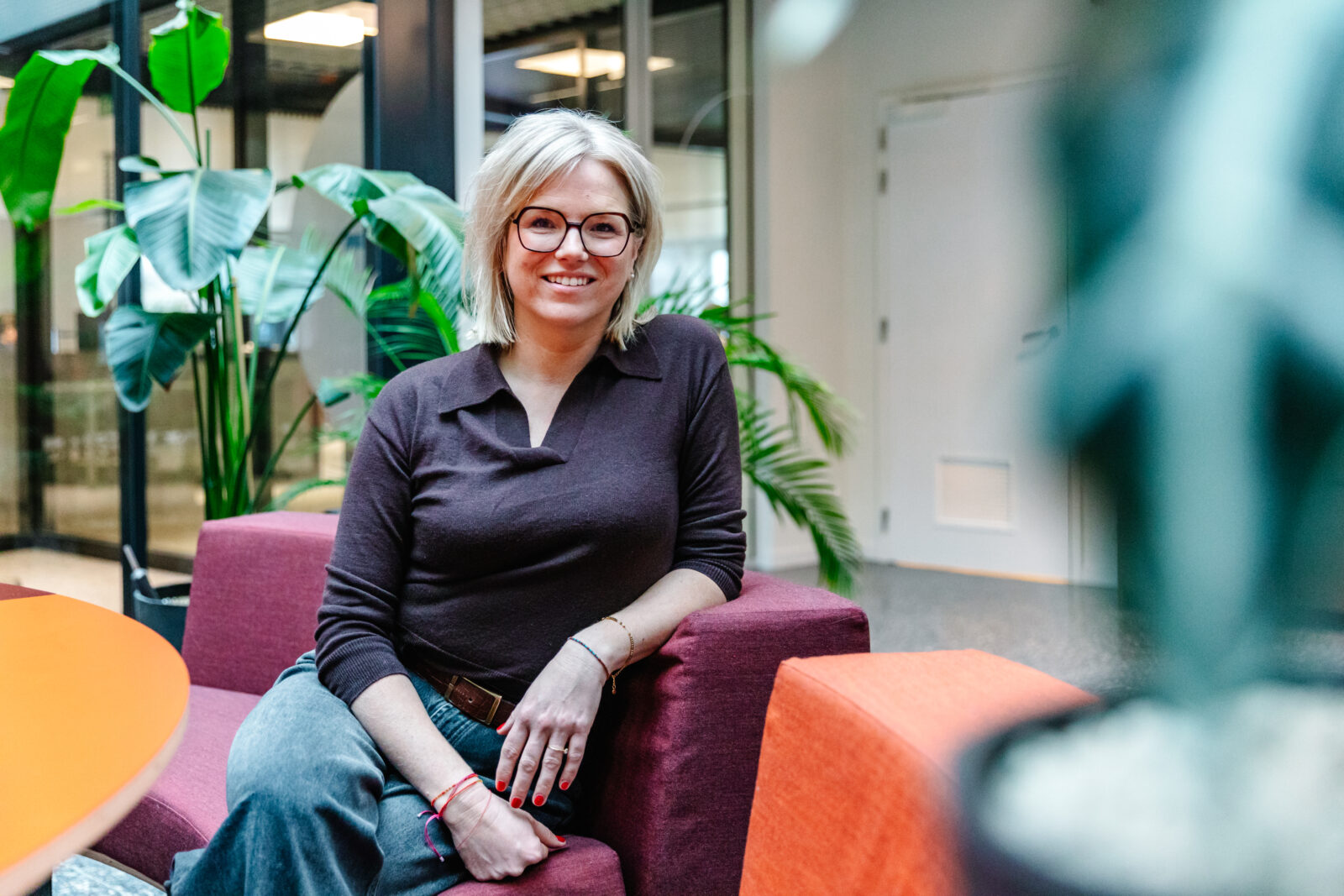
“Collegiality is what characterises the culture at Aquafin. We note in research that a caring network is an important buffer for work pressure and change. It is also a huge asset in a world of hybrid working and high expectations. What is more, the research showed that the great collegiality along with a high degree of autonomy, strong leadership and working towards a better environment are such powerful sources of energy that they drastically reduce the risk of burnout.”
Min Huet – Talent and Culture Manager
Work accidents involving own employees
Projectpartners
As with our own organisation, we want our project partners to work in a safe and ethical manner. Together with them, we invest in sustainable and workable jobs.
Investing in collaboration
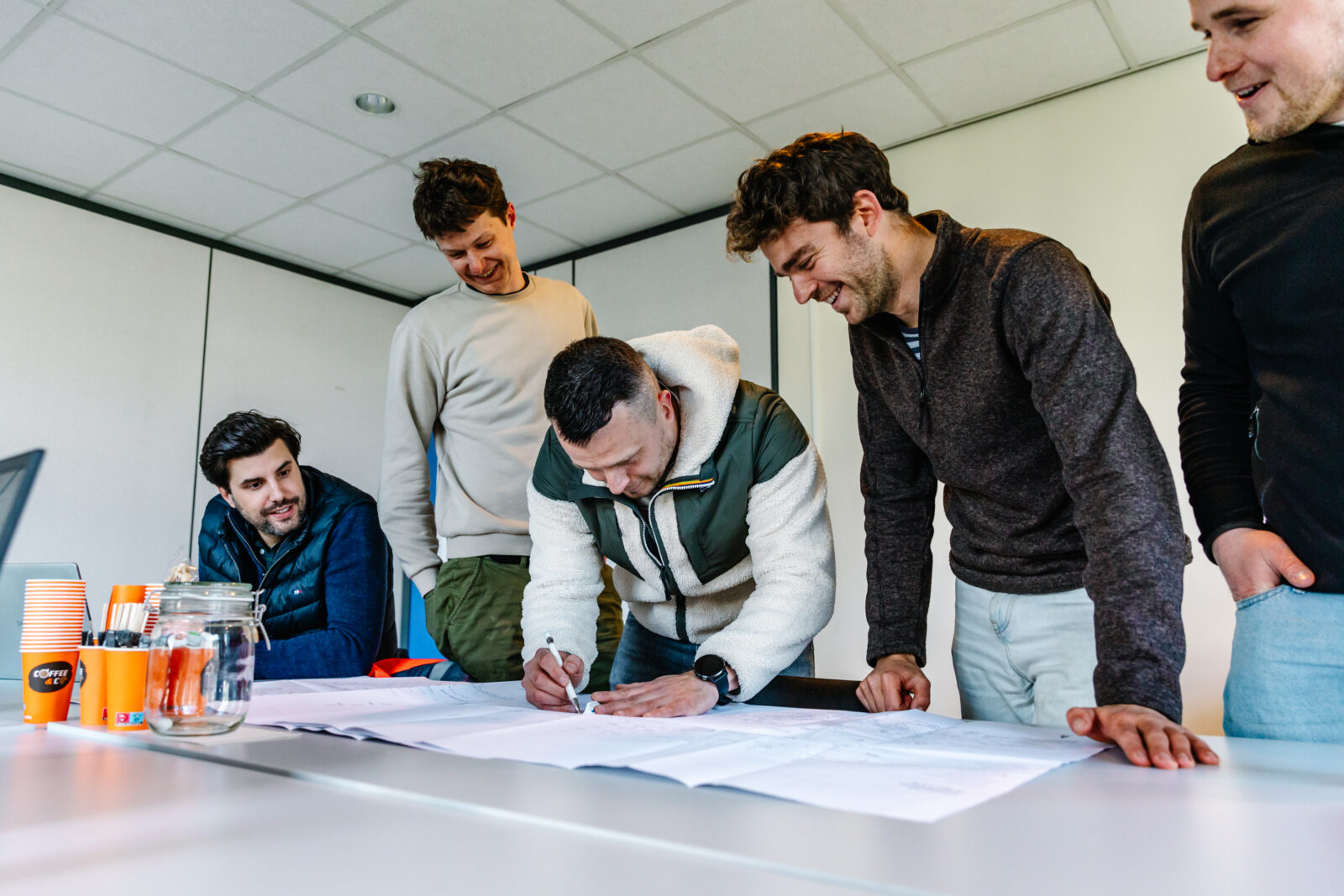
For the design and execution of our projects, we work closely with engineering consultancies and contractors. We do not follow a traditional client–supplier model, but build true partnerships. We want our partners to feel involved in the purpose of our projects and to think along with us about the best possible way to achieve our objectives.
Together with engineering consultancies, we developed a Connecting Collaboration Charter and set up a Partner Academy. Employees of Aquafin and the consultancies attend both technical training courses and soft‑skills programmes here. In 2025, we opened the Academy to four new consultancies with which we concluded a multilateral agreement. To familiarise them quickly with the Aquafin context, they followed an onboarding programme.
We also strive for a collaborative approach with contractors. This is reflected in a different way of procuring projects, in which their expertise in safe and sustainable construction sites is taken into account in the award decision and given the recognition it deserves. In addition, we organised a Knowledge Day again at the beginning of 2026 to share expertise and insights.


Safety always comes first
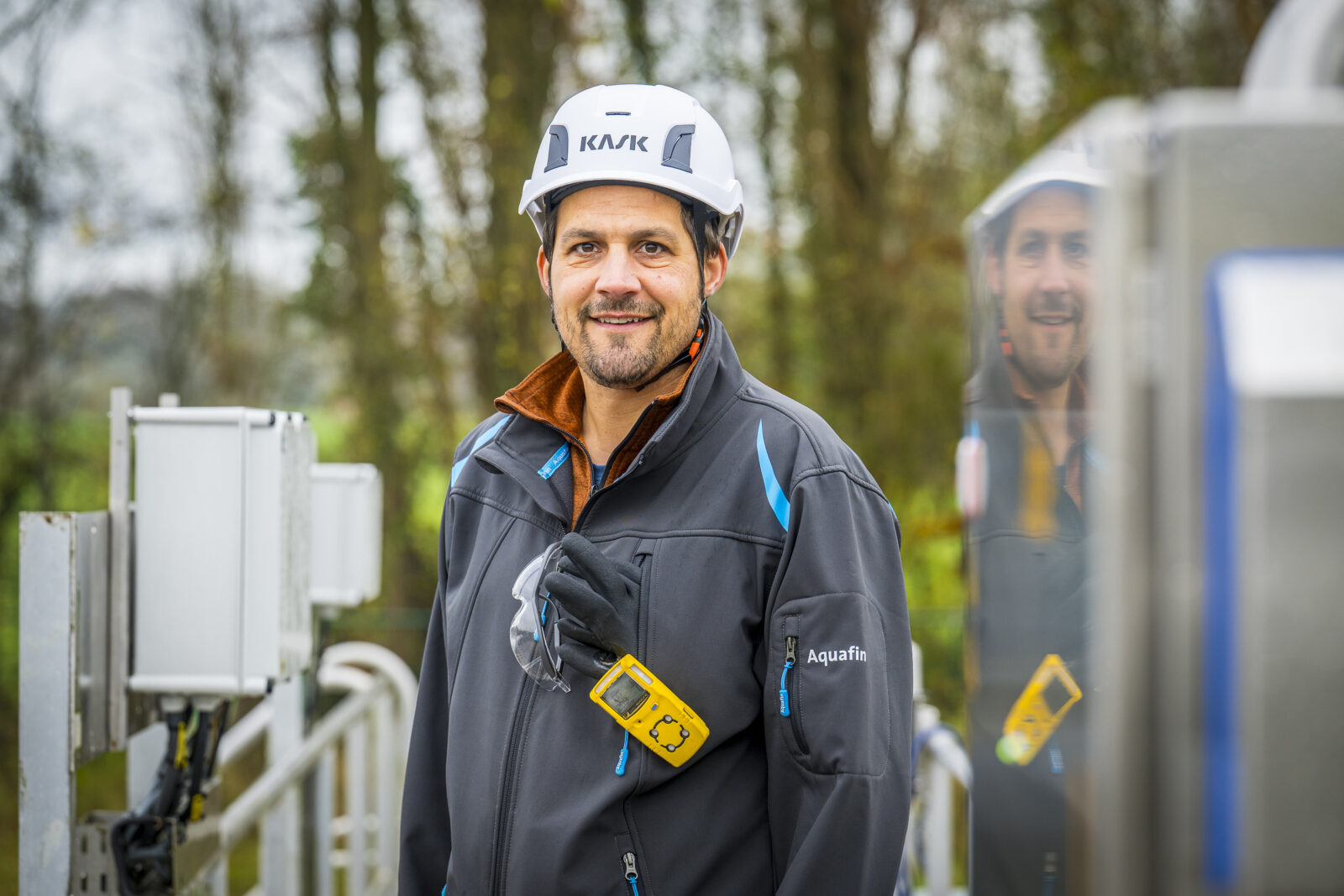
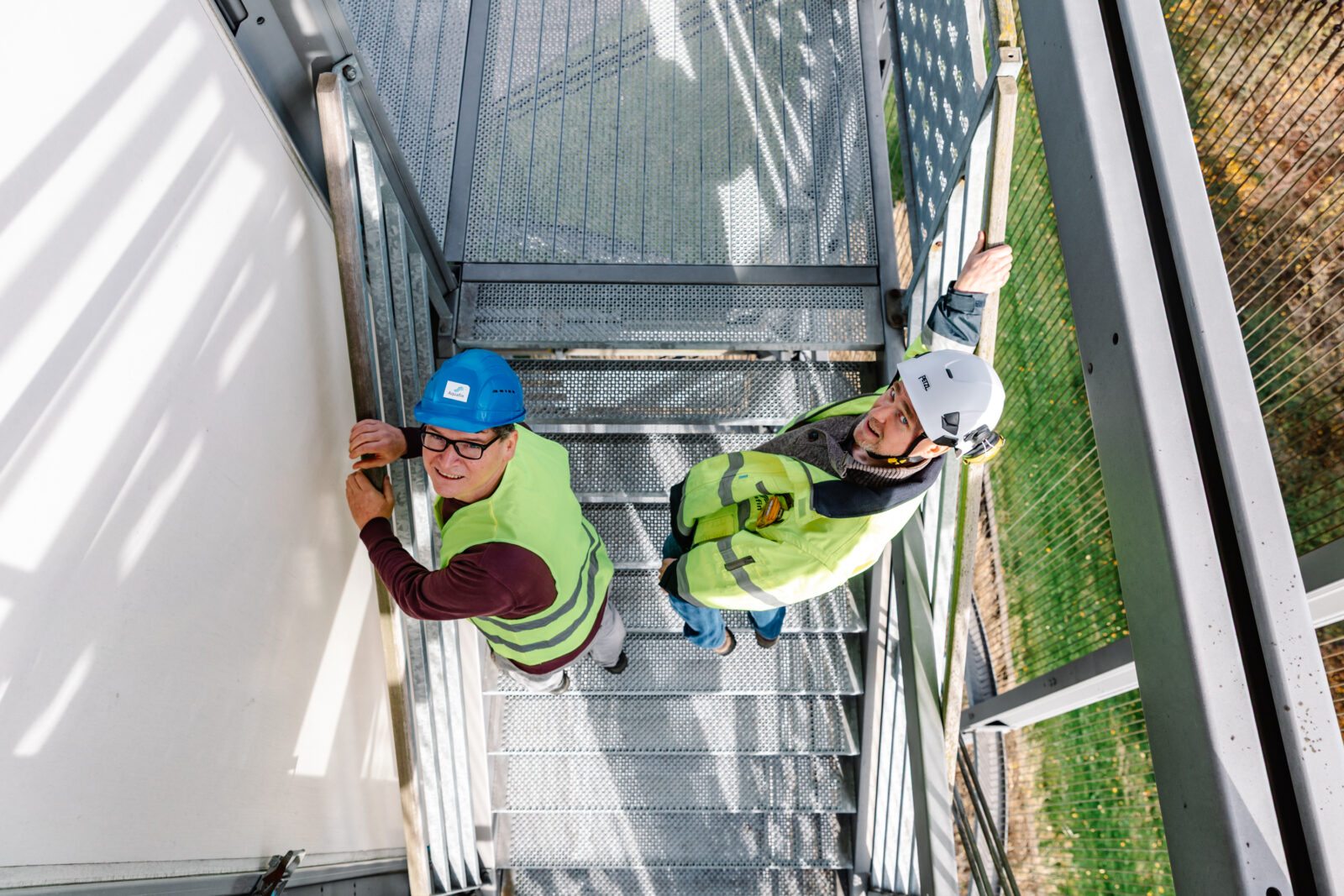
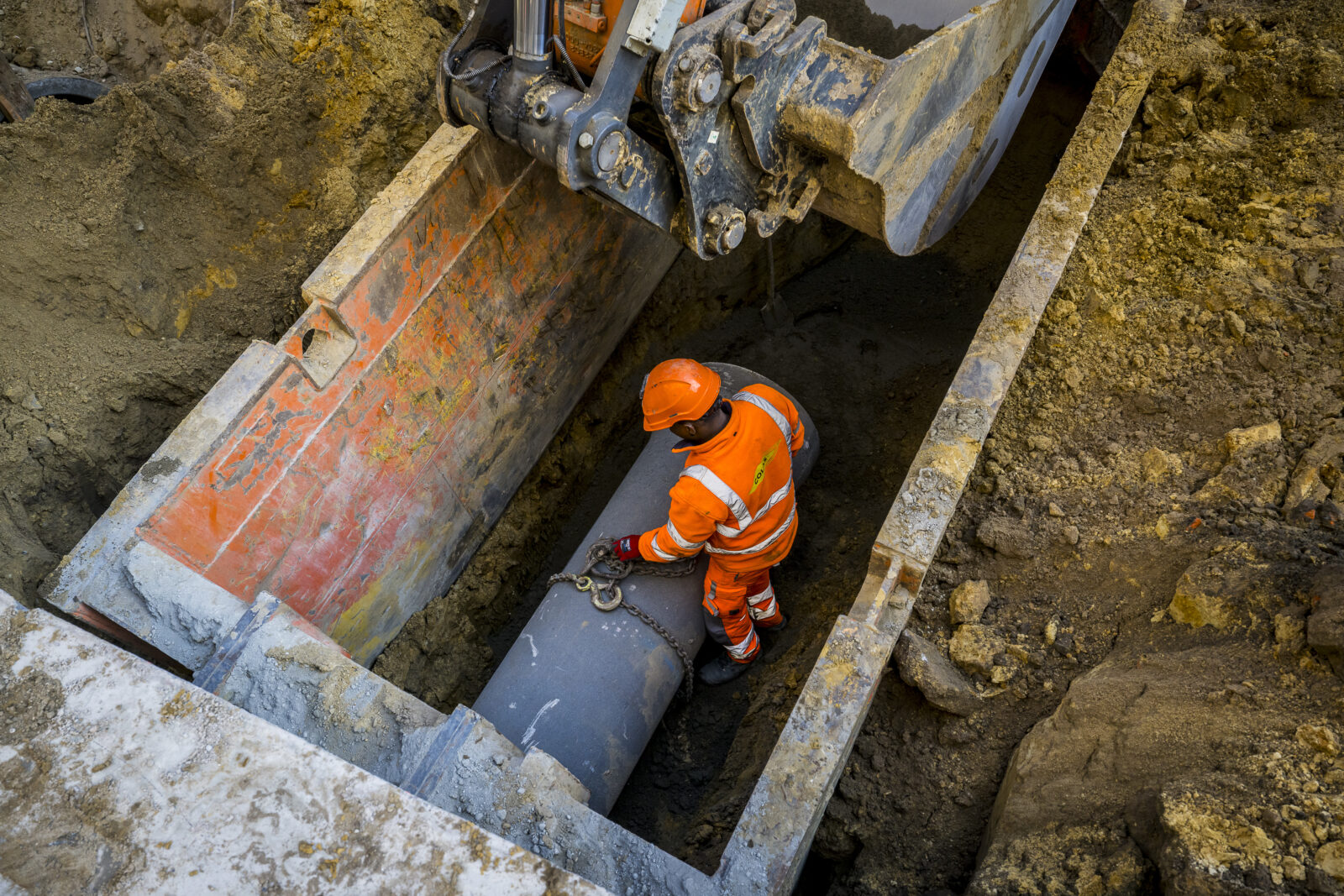
Everyone who works for us should return home safely at the end of the day. That is why our safety policy is strict and we invest heavily in safety awareness. Anyone working on behalf of Aquafin must comply with safety guidelines and have completed the required training to work safely. Just as our own employees do, third parties also have the authority to say STOP in unsafe situations. In the event of serious or repeated safety violations, we escalate the procedure and require an action plan to prevent recurrence.
In 2025, we introduced a mobile app that generates a QR code once a person has the required safety certificates, has watched the safety induction video and has answered a number of questions correctly. This code grants access to Aquafin construction sites for three years. The video and all 16 Life Saving Rules are available in the 11 most commonly spoken languages on our sites.


Sustainability
Connect with our environment
Treating waste water, delivering sewerage projects, creating blue‑green public spaces, … through its activities, Aquafin is firmly embedded in society. We want to make full use of this privileged position to further increase our positive impact. That is why we actively look for societal developments, challenges and expectations that we can respond to.
Acting as an inspirer in environmental management
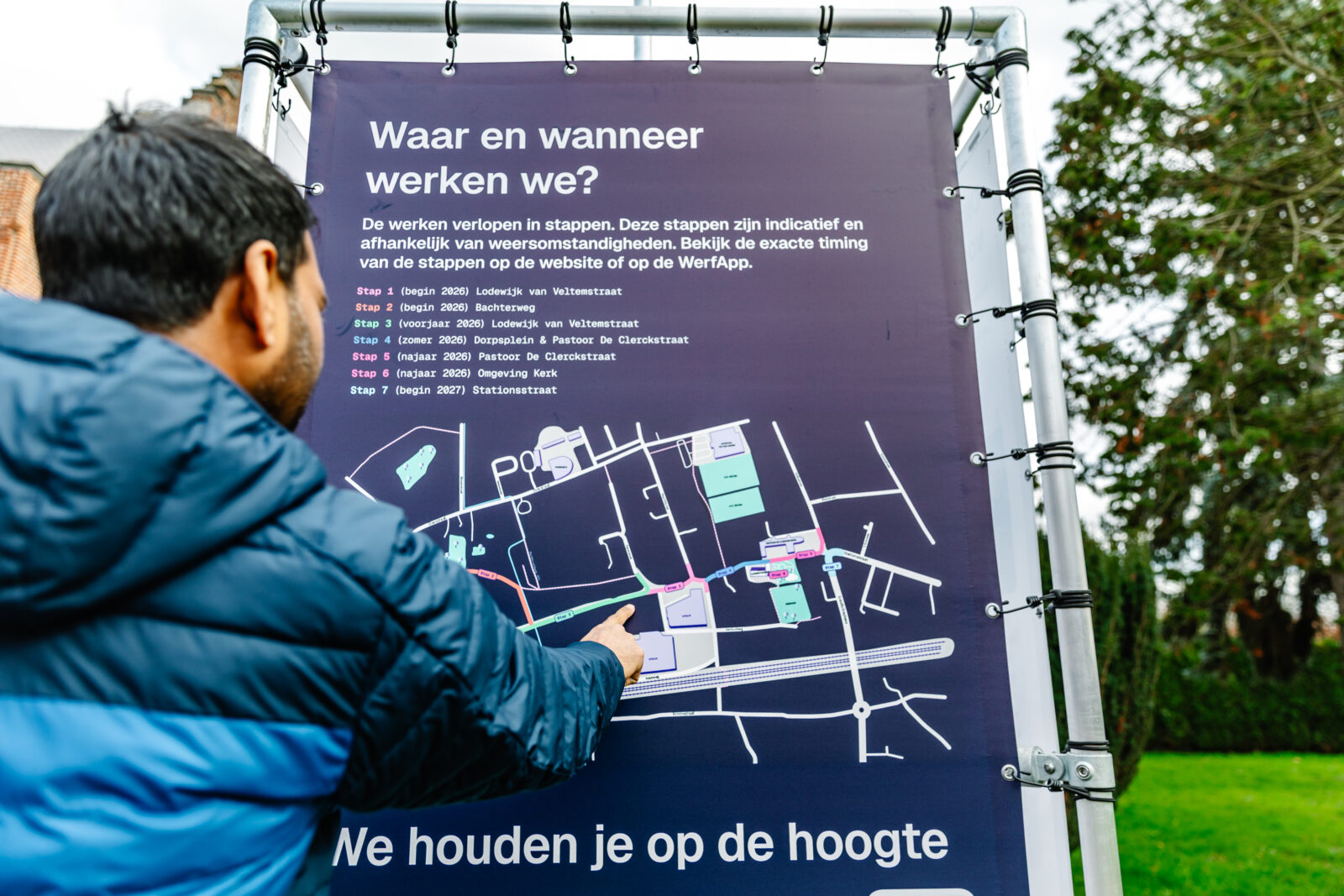
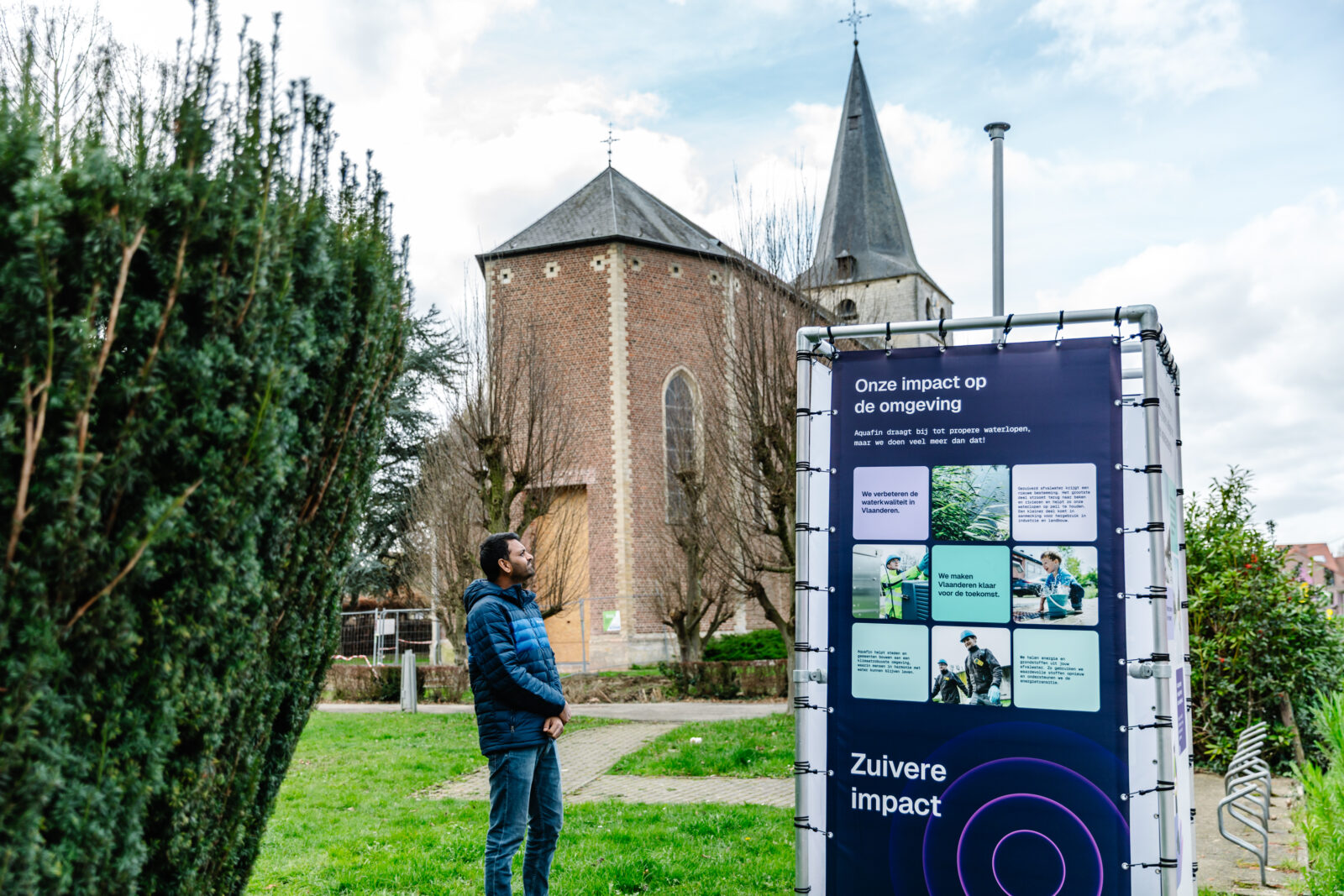
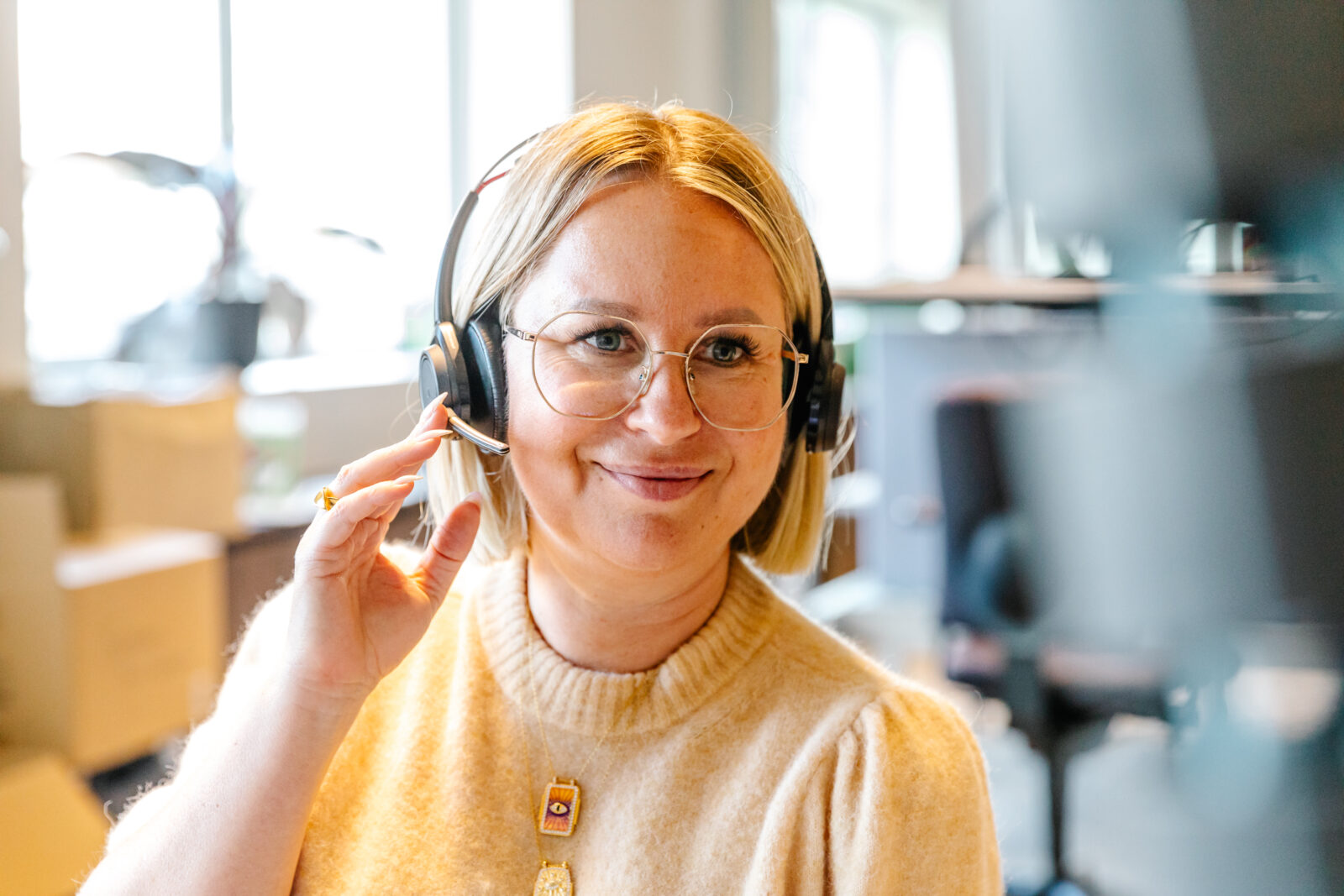
Our infrastructure projects can have a substantial impact on their surroundings. That is why we pay close attention to limiting disruption through nuisance‑reducing measures on site and timely, clear communication. At Aquafin, phone calls are answered by people, not by chatbots or automated menus. We stand for a personal and respectful approach and strive to keep response times as short as possible when handling questions or complaints.


Connecting early through environment management
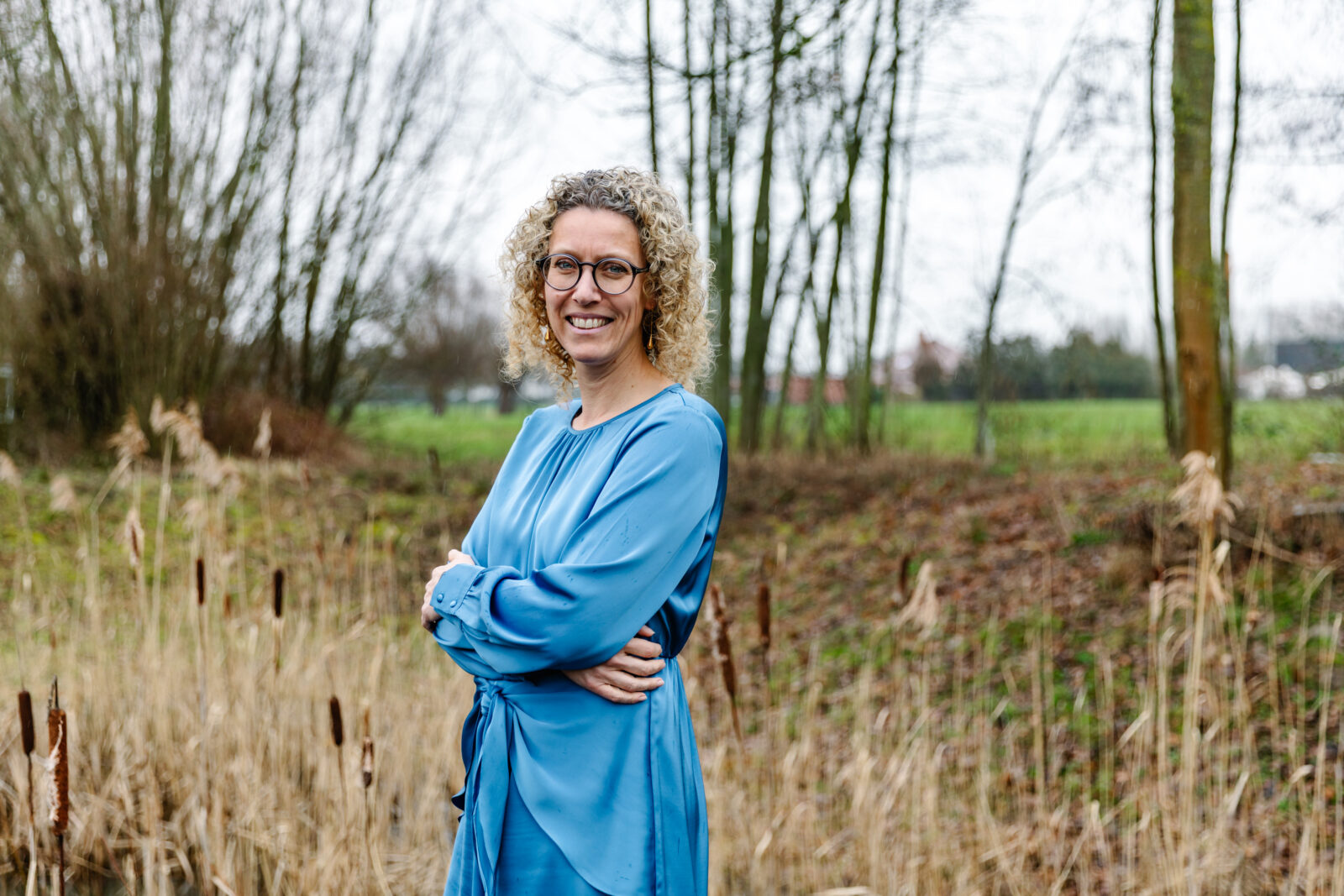
“We already take strong account of the neighbourhood through measures to reduce nuisance and maintain good communication. By connecting with the neighbourhood at an earlier stage, we want to go one step further. By understanding interests, concerns and expectations early on, we can build trust. Environmental management turns dialogue into support, creates engagement, prevents conflicts and speeds up the permit process. Not only does it open doors, but it also opens up whole landscapes full of new possibilities.”
Tania De Bie – Manager Projectmanagement


Connected with society
Climate change, the energy transition and the circular economy, as well as urbanisation and social equity: by looking at our infrastructure and activities through a different lens, we can support society in many more ways. Through our biomethane and sewer heat recovery (riothermy) projects, for example, we contribute to the transition towards a greener and more independent Flemish energy landscape. In the years ahead, we aim to further increase our societal relevance in other areas as well.
Number of receivable and at least partially justified complaints
Complaint overview 2025

Financial
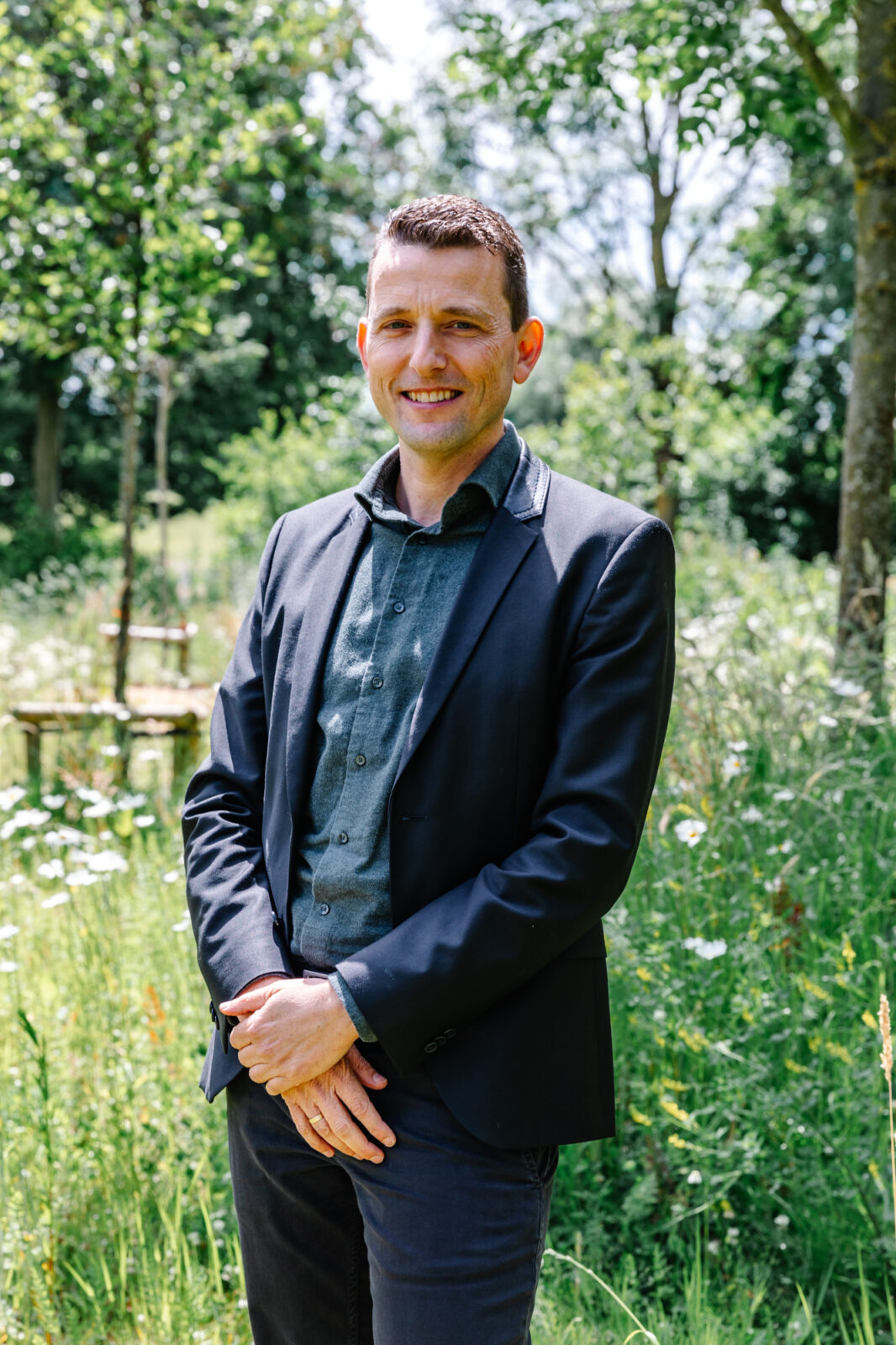

“More investment in coming years means greater funding demand”
Aquafin is not only looking back on a positive year, but is mainly looking ahead. With sharply increasing investment authorisation, challenging projects lie ahead in the coming years that will have a positive environmental impact. Finance & Procurement director Glenn Van Olmen is also looking forward to the new Business Development department, which will allow Aquafin to further develop its products and services.
How would you rate the financial results for 2025?
Glenn: “We can be satisfied with the positive result for our contract set by decree. An important component in this is the performance budget that we are allocated by the Flemish Region. That’s the budget for our operations, excluding investments and financing costs, which is calculated based on a set formula that takes into account aspects such as the size of our portfolio and preparations for future investments, but also the waste load processed during the previous calendar year. If it were a dry year, that translates into lower costs for chemical dosing and sludge processing, for example, and vice versa. So it’s the ‘rough with the smooth’ effect that is always felt after a deferment of a year. As 2024 was extremely wet and 2025 extremely dry, we had a limited surplus.
The result for contracts outside the cooperation agreement with the region was positive but lower than in other years. That was primarily due to the implementation of a new ERP system[1], which meant that, exceptionally, we were unable to recognise any more projects in our results during the second half of the year.”
[1] Enterprise Resource Planning
How did the switch to a new ERP system go?
Glenn: “The complex environment that Aquafin operates in made it a challenging process. Despite that, everything went smoothly overall, partly thanks to long and thorough preparations. Since Aquafin was founded 35 years ago, all data relating to project monitoring, personnel, invoicing and payments have been stored on a robust and stable IBM mainframe that has been subject to customised expansion. Because switching to a new ERP system is a costly and time-consuming process, we continued to use the old system for as long as possible, until it became a reliability risk. Despite meticulous preparation and project planning, the leap remained nerve-wracking right up to the very end. Naturally, not everything was plain sailing, but we can definitely be proud of how things went. Particularly when you think that we suddenly switched to an SAP S4 in the cloud environment. This system has made our ERP futureproof again.”
What opportunities do you see in the coming years for anyone looking to invest in clean watercourses?
Glenn: “We see our investment authorisation for the Flemish Region increasing strongly over the next few years. Although the delivery budget for the next calendar year is set during the current year, the Flemish Government has already approved a gradual increase until 2032 in view of the new river basin management plans. That means: more projects with a positive environmental impact and therefore also a greater financing need for projects of this type. In addition, an extra 500 million euros will be allocated to Local Pact projects within clearly defined categories. In doing so, the region is taking over investments from the municipalities. By commissioning Aquafin to carry out and prefinance these projects, their impact on the Flemish budget is reduced.”
You became the head of a new Business Development department at the start of 2026. What is the organisational ambition behind that?
Glenn: “Within this new department, we will bring together services that serve various customer segments: the Flemish Region, towns, cities and municipalities, businesses and other organisations. This will enable us to adopt a more centralised product and service strategy while differentiating across customer segments. A growth analysis will further shape the structure of the new department to enable the full potential of our products and services to be utilised, in line with Aquafin’s vision.
For the time being, until a successor has been appointed, I will also remain the director of Finance & Procurement. So I will remain within the organisation and closely oversee the onboarding of a new colleague to ensure that continuity remains guaranteed within that department too.”


Key figures financial report
From the balance sheet and income statement
| Amounts in mio euros | 2025 | 2024 |
|---|---|---|
| Operating income | 761,612 | 724,230 |
| Operating charges | 675,835 | 646,559 |
| Turnover | 636,870 | 673,066 |
| Profit for the financial year | 7,257 | 4,435 |
| Total liabilities | 4,476,652 | 4,125,022 |
| Capital and reserves | 328,828 | 328,465 |
| Short-term financing | 398,254 | 150,102 |
| Long-term financing | 2,285,603 | 2,207,596 |
Green Finance Framework report

Contact & information
Aquafin
VAT number: 0440.691.388
Registered office: Dijkstraat 8 – 2630 Aartselaar
www.aquafin.be (externe link) – info@aquafin.be
Contact office: +32 3 450 45 11 (weekdays between 08.00 and 17.00 hrs)
Emergency number: 0800 16 603
Search the online annual report